Understanding the True Cost of Identity Theft Beyond Monetary Loss
- -->> 2. Understanding the True Cost of Identity Theft Beyond Monetary Loss
What you'll learn
 Financial Impact of Identity TheftNon-Monetary Costs of Identity TheftIdentity Theft Recovery ChallengesLong-Term Effects of Identity Theft
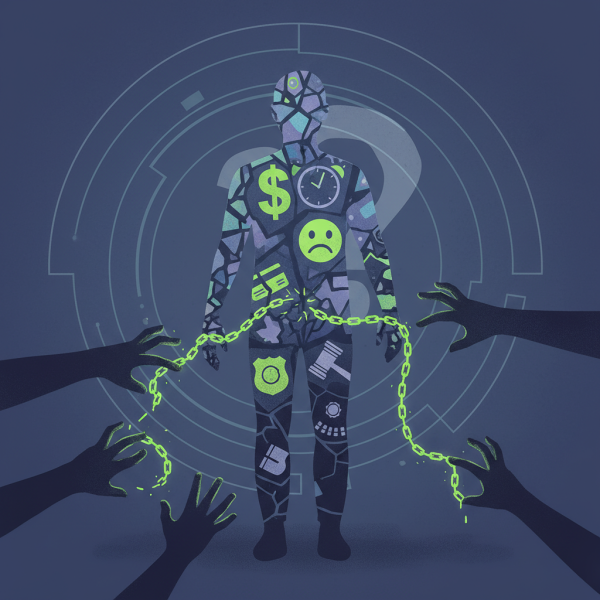
Identity theft is a pervasive and insidious crime that extends far beyond the immediate drain on a victim's bank account. While the direct monetary losses can be staggering, the true cost of identity theft encompasses a complex web of financial, emotional, psychological, and practical burdens that can cripple individuals for years. Understanding these multifaceted repercussions is crucial for appreciating the full scope of this modern threat and reinforcing the importance of robust protection strategies.
The Immediate Financial Blow
The most obvious consequence of identity theft is the direct financial loss. This can manifest in various forms, from unauthorized credit card charges and drained bank accounts to fraudulent loans taken out in the victim's name. Cybercriminals might also open new utility accounts, file fake tax returns to claim refunds, or even use stolen identities for medical services. Recovering these funds often involves arduous disputes with financial institutions, and in some cases, not all lost money is reclaimable.
Beyond the Bank Account: Time and Effort
One of the most significant, yet frequently overlooked, costs of identity theft is the immense time and effort required for recovery. Victims can spend hundreds of hours attempting to rectify the damage. This involves:
- Contacting banks, credit card companies, and other financial institutions.
- Filing police reports and completing extensive paperwork.
- Disputing fraudulent charges and closing compromised accounts.
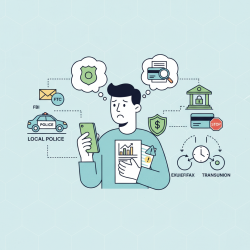
- Monitoring credit reports and placing fraud alerts or credit freezes.
- Communicating with government agencies like the IRS or Social Security Administration.
This recovery process is not only time-consuming but can also lead to significant lost wages if victims need to take time off work to address the issues.
The Emotional and Psychological Toll
The impact of identity theft extends deeply into the victim's emotional and psychological well-being. The initial discovery often brings feelings of shock, violation, and helplessness. This can quickly escalate into chronic stress, anxiety, and even depression as victims grapple with the seemingly endless process of recovery. Trust can be eroded, both in financial systems and sometimes even in personal relationships, if the theft originated from someone known to the victim. The constant fear of re-victimization can persist long after the immediate crisis has passed, affecting mental health and overall quality of life.
Reputational Damage and Social Impact
Identity theft can also inflict severe damage on a victim's personal and professional reputation. If their identity is used to commit crimes, victims may find themselves entangled in legal issues, needing to prove their innocence. Fraudulent activities can also lead to public embarrassment or suspicion. Professionally, a damaged credit score can impact employment opportunities, particularly in roles that require financial responsibility. The stigma associated with being a victim can also create social discomfort or isolation.
Legal and Administrative Burdens
Navigating the aftermath of identity theft often requires engagement with various legal and administrative systems. Victims may incur costs for legal advice or services, especially if their case involves complex fraud or significant financial loss that financial institutions are unwilling to fully cover. The bureaucratic hurdles involved in correcting credit reports, clearing one's name, and ensuring all fraudulent accounts are closed can be overwhelming. These administrative tasks, while not always directly monetary, consume valuable resources and contribute to the overall burden.
Long-Term Financial Reverberations
The long-term financial consequences of identity theft can be devastating. A compromised credit score can make it difficult to obtain loans for homes or cars, secure rental housing, or even qualify for certain types of insurance. Higher interest rates and increased premiums are common outcomes. Victims might also face difficulties opening new bank accounts or obtaining new credit cards. The ripple effect can impact major life decisions and long-term financial planning, potentially setting individuals back years in their financial goals.
Preventative Measures and Resilience
While the true cost of identity theft is steep, proactive measures can significantly mitigate risks. Implementing strong, unique passwords, using multi-factor authentication, regularly monitoring financial statements and credit reports, and being cautious about sharing personal information online are essential steps. Even after an incident, resilience and informed action are key to recovery, though the journey is undoubtedly arduous.
Summary
Identity theft is a complex crime with far-reaching consequences that extend well beyond immediate monetary losses. Victims face significant time and effort in recovery, profound emotional and psychological distress, potential damage to their reputation, and considerable legal and administrative burdens. The long-term financial reverberations can severely impact credit scores and future financial opportunities, underscoring the critical need for vigilance and robust protective measures against this pervasive threat.
Comprehension questions
 What are some of the immediate financial losses associated with identity theft?Besides monetary loss, what significant overlooked cost do victims incur during recovery?How does identity theft impact a victim's emotional and psychological well-being?What long-term financial consequences can identity theft have on an individual's life?
Community Poll
Next Lesson
Course Contents : Understanding and Preventing Identity Theft
- >> 2.
 Understanding the True Cost of Identity Theft Beyond Monetary Loss