Understanding and Preventing Phishing, Smishing and Vishing
- -->> 3. Understanding and Preventing Phishing, Smishing and Vishing
What you'll learn
 Digital Deception TacticsSocial Engineering SchemesPhysical Theft MethodsPrevention Strategies
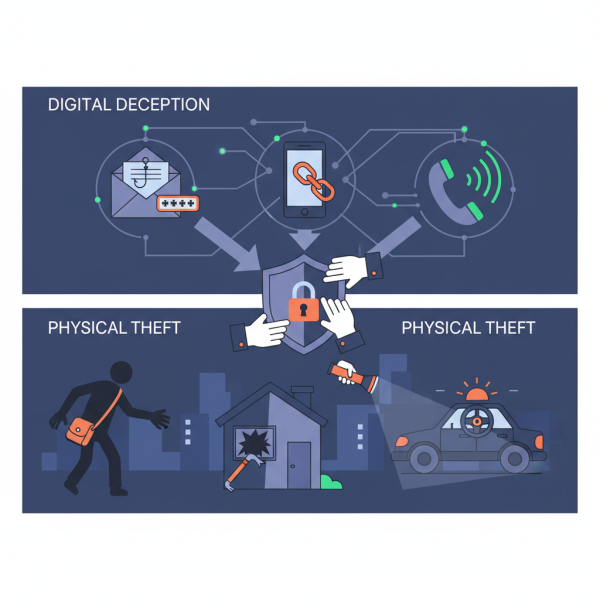
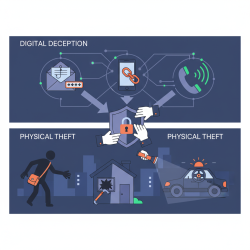
The landscape of theft is ever-evolving, presenting a continuous challenge to individuals and institutions alike. While physical theft has existed for centuries, the digital age has ushered in sophisticated new methods that exploit technology and human psychology. Understanding these prevalent tactics, ranging from digital deceptions like phishing, smishing, and vishing to more traditional physical theft methods, is paramount for safeguarding personal assets and information. Vigilance and awareness serve as the first lines of defense against these malicious acts.
The Digital Deception Trio: Phishing, Smishing, and Vishing
Phishing: The Email Impersonator
Phishing is a highly common cybercrime where attackers attempt to trick individuals into divulging sensitive information, such as usernames, passwords, and credit card details, by disguising themselves as trustworthy entities. These malicious communications often arrive via email, appearing to be from legitimate organizations like banks, social media platforms, or government agencies. The goal is to create a sense of urgency or fear, prompting the recipient to click a fraudulent link or open an infected attachment.
Common red flags include generic greetings, spelling and grammatical errors, suspicious sender email addresses, and links that direct to unfamiliar URLs. Attackers frequently mimic login pages of popular services, hoping to capture credentials when users attempt to log in. Always verify the sender and the legitimacy of links by hovering over them before clicking, and avoid entering sensitive information on unverified websites.
Smishing: The SMS Threat
Smishing is essentially phishing conducted through SMS (text messages). Criminals send deceptive text messages designed to trick recipients into clicking malicious links, downloading malware, or calling a fraudulent phone number. These messages often leverage urgency or appealing offers, such as package delivery notifications, fake prize winnings, or alerts about compromised bank accounts. The brevity of text messages can make them seem more legitimate or less scrutinizable than emails.
Recipients might be prompted to update personal details, confirm banking information, or track a phantom package. Clicking the embedded link can lead to fake websites that steal credentials or install malicious software on the device. It is crucial to be skeptical of unexpected texts, especially those requesting personal information or prompting immediate action. Always independently verify any claims by contacting the purported organization through official channels, not via the link or number provided in the suspicious text.
Vishing: The Voice of Deceit
Vishing, a portmanteau of "voice" and "phishing," involves criminals using telephone calls to trick victims into revealing personal and financial information. Attackers often impersonate reputable entities such as government agencies (e.g., tax authorities), tech support companies, or financial institutions. They might claim there's an urgent issue with your account, a legal problem, or that you're entitled to a refund, all to create pressure and manipulate you into compliance.
These calls can be highly convincing, with criminals sometimes using spoofed caller IDs to display legitimate numbers. They might employ social engineering tactics to build rapport or induce fear. It is vital to remember that legitimate organizations will rarely ask for sensitive information like passwords or PINs over the phone. If you receive such a call, hang up and call the organization back using a verified phone number from their official website or statements.
Understanding Physical Theft Tactics
Pickpocketing and Bag Snatching
Physical theft remains a significant concern, particularly in crowded urban environments. Pickpocketing involves surreptitiously stealing items directly from a person's pockets, bags, or purses without them noticing at the time. Bag snatching, on the other hand, is a more forceful act where a thief grabs a bag or purse directly from a victim, often involving a quick getaway.
These incidents commonly occur in busy public places such as markets, public transport, tourist attractions, and concerts. Thieves often work in teams to distract victims or create diversions. To mitigate risk, always keep valuables out of sight, carry bags securely across your body, and maintain situational awareness of your surroundings, especially in dense crowds.
Burglary and Home Invasion
Burglary refers to the unlawful entry into a building or premises with the intent to commit a crime, typically theft. Home invasion, a more aggressive form of burglary, involves criminals forcing entry into an occupied dwelling, often with residents present, and frequently using intimidation or violence. Both are deeply violating crimes that can result in significant financial loss and psychological trauma.
Thieves look for easy targets, such as unlocked doors or windows, poor lighting, and homes that appear unoccupied. Prevention strategies include reinforcing doors and windows, installing reliable alarm systems, maintaining a well-lit exterior, and creating the illusion of occupancy when away. Neighbors watching out for each other also play a crucial role in deterring these crimes.
Vehicle Theft
Vehicle theft encompasses a range of crimes, from stealing entire cars to breaking into vehicles to steal contents. Carjacking is a specific, violent form where a vehicle is stolen from its driver by force or intimidation. The motives vary from selling parts, joyriding, or using the vehicle in other criminal activities.
To protect your vehicle, always lock doors and close windows, even for brief stops. Park in well-lit, secure areas. Consider installing anti-theft devices such as alarms, immobilizers, or tracking systems. Never leave valuables in plain sight within your vehicle, as this can invite smash-and-grab thefts. Being aware of your surroundings when approaching or leaving your car can also deter potential carjackers.
Common Characteristics of Theft Tactics
- Exploitation of Trust and Urgency: Many tactics, especially digital ones, manipulate victims by posing as trusted entities and creating a false sense of immediate need.
- Requests for Sensitive Information: Both digital and some physical thefts aim to acquire personal data, financial details, or access credentials.
- Opportunity Exploitation: Thieves, whether digital or physical, often target individuals or properties that appear vulnerable or unprepared.
- Impersonation: A key element in most social engineering attacks, where criminals pretend to be someone or something they are not to gain a victim's confidence or fear.
- Anonymity: Digital theft offers a degree of anonymity that traditional theft often lacks, making perpetrators harder to trace.
Strategies for Prevention and Protection
Proactive measures are the most effective defense against both digital and physical theft. For digital threats, strong cybersecurity practices are non-negotiable. This includes using unique, complex passwords for all accounts and enabling multi-factor authentication (MFA) whenever possible. Always be skeptical of unsolicited communications, verify the legitimacy of senders, and avoid clicking suspicious links or downloading unknown attachments. Regularly update software and operating systems to patch security vulnerabilities.
For physical theft, situational awareness is critical. Be mindful of your surroundings, especially in crowded or unfamiliar areas. Secure your belongings by keeping wallets in front pockets, using cross-body bags, and not openly displaying expensive items. At home, invest in robust locks, an alarm system, and good exterior lighting. Report any suspicious activity to local authorities promptly. Trusting your instincts is also a powerful deterrent; if something feels wrong, it likely is.
Summary
The myriad forms of theft, from the cunning digital deceptions of phishing, smishing, and vishing to the more overt acts of physical theft like pickpocketing and burglary, underscore the persistent threat to personal security. Each method preys on specific vulnerabilities, whether technological gaps, psychological triggers, or simply opportunities presented by negligence. By understanding the distinct characteristics of these tactics and implementing a combination of robust digital security practices and vigilant physical precautions, individuals can significantly enhance their protection against the ever-present threat of theft. Constant awareness and prompt reporting are vital in this ongoing effort.
Comprehension questions
 What are the key differences between phishing, smishing, and vishing, and how is each typically executed?Name three common characteristics that are often present in various digital and physical theft tactics.What are some effective prevention strategies for protecting oneself against both digital and physical forms of theft?How do burglary and home invasion differ, and what measures can homeowners take to secure their premises?
Review Quiz
Next Lesson
Course Contents : Understanding and Preventing Identity Theft
- >> 3.
 Understanding and Preventing Phishing, Smishing and Vishing