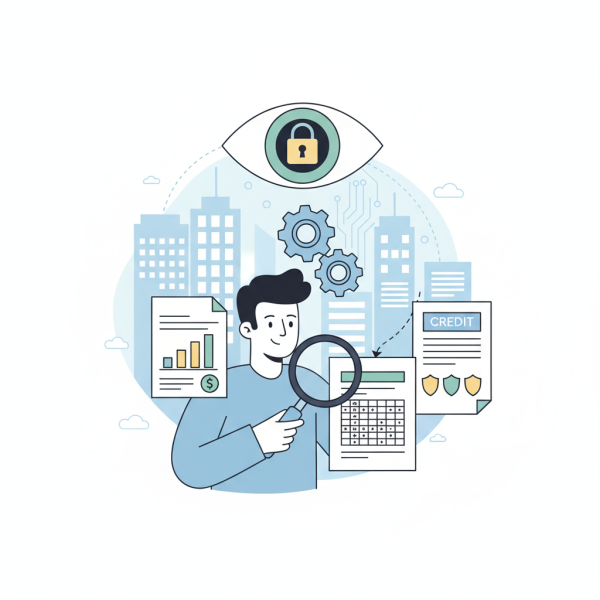
A Vigilant Guide to Protecting Your Financial Health
- -->> 4. A Vigilant Guide to Protecting Your Financial Health
What you'll learn
 Credit Report ReviewFinancial Statement AnalysisIdentifying Suspicious ActivityFraud Prevention Steps
In an increasingly digital world, safeguarding your financial well-being is more critical than ever. One of the most effective defenses against identity theft and financial fraud is the proactive and regular monitoring of your credit reports and financial statements. This vigilance allows you to catch suspicious activity early, minimizing potential damage and protecting your hard-earned assets. Understanding what to look for and how often to check your various accounts can empower you to become your own best financial guardian.
Understanding Credit Reports
Your credit report is a detailed summary of your credit history. It includes information about your borrowing and repayment activities, such as credit cards, loans, and mortgages. Lenders use this report to assess your creditworthiness, but it also serves as a crucial document for detecting unauthorized accounts or fraudulent activity opened in your name.
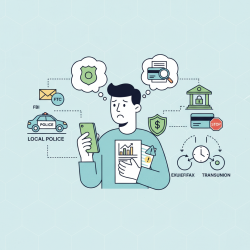
There are three major credit bureaus in the United States: Experian, Equifax, and TransUnion. Each bureau maintains its own version of your credit report, and while they share much of the same information, there can be subtle differences. It's essential to review reports from all three.
How to Access Your Credit Reports
By law, you are entitled to a free copy of your credit report from each of the three major credit bureaus once every 12 months. The most reliable way to access these reports is through AnnualCreditReport.com, which is the only authorized website for free reports. You can choose to get all three at once or space them out throughout the year, perhaps checking one every four months, to maintain more continuous oversight.
What to Look For in Credit Reports
When reviewing your credit report, pay close attention to the following details:
- Personal Information Accuracy: Verify your name, address, Social Security number, and employment information are correct. Incorrect data could indicate a mix-up with another person's file or a sign of identity theft.
- Unknown Accounts: Look for any credit accounts, loans, or lines of credit that you did not open or authorize. This is a primary indicator of identity fraud.
- Inaccurate Account Status: Ensure all accounts you recognize have the correct payment history and status. Late payments or defaults that aren't yours can severely damage your credit score.
- Hard Inquiries: These occur when a lender checks your credit for a new application. If you see inquiries you didn't authorize, it could mean someone is applying for credit in your name.
- Public Records: Check for bankruptcies, liens, or judgments that do not belong to you.
Monitoring Financial Statements
Beyond credit reports, your bank and credit card statements are invaluable tools for daily financial vigilance. These statements provide a detailed record of all transactions associated with your accounts. While credit reports reveal new accounts, financial statements reveal activity on existing accounts.
Many financial institutions offer online access to statements, often updated daily or weekly, allowing for frequent checks. Don't wait for a paper statement to arrive; log in regularly to review recent activity.
Tips for Statement Review
When going through your bank or credit card statements, be meticulous:
- Review Every Transaction: Scrutinize each purchase, withdrawal, or transfer. Even small, seemingly insignificant charges can be test transactions by fraudsters to see if an account is active.
- Check for Recurring Charges: Ensure all recurring payments and subscriptions are legitimate and expected. Cancel any you no longer need or recognize.
- Verify ATM Withdrawals: Confirm all cash withdrawals correspond to your activities and locations.
- Look for Discrepancies in Balances: Ensure the opening and closing balances, along with total debits and credits, align with your records or expectations.
- Monitor Transfers: Confirm all money transfers, both incoming and outgoing, were authorized by you.
What to Do If You Find Suspicious Activity
Discovering unauthorized activity can be alarming, but acting quickly is crucial. Here’s a basic action plan:
For Financial Statements:
Contact your bank or credit card company immediately. Most institutions have fraud departments available 24/7. They will likely cancel your card or freeze your account and issue a new one. Be prepared to provide details of the suspicious transaction.
For Credit Reports:
If you find unauthorized accounts or inaccuracies, contact the specific credit bureau and the creditor involved. You can dispute errors directly with the credit bureau. Consider placing a fraud alert or a credit freeze on your credit files with all three bureaus. A fraud alert requires creditors to verify your identity before opening new credit, while a credit freeze blocks access to your report entirely, making it harder for identity thieves to open new accounts in your name.
Additionally, file a report with the Federal Trade Commission (FTC) at IdentityTheft.gov. The FTC provides a personalized recovery plan and forms to help you report identity theft to creditors and law enforcement.
Establishing a Routine
Consistency is key to effective account monitoring. Develop a routine that fits your lifestyle. Some people prefer to check their online bank and credit card statements daily or weekly for brief glances. Others set aside dedicated time bi-weekly or monthly for a more thorough review. For credit reports, remember to leverage your free annual reports, perhaps staggering them throughout the year.
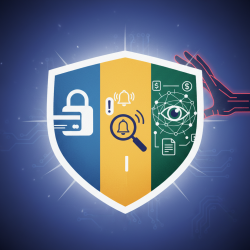
Consider setting up alerts with your financial institutions for certain activities, such as large transactions, international purchases, or login attempts from new devices. These real-time notifications can provide an additional layer of protection.
Summary
Protecting your financial health requires ongoing diligence in monitoring your credit reports and financial statements. Regularly reviewing these critical documents allows you to swiftly detect and address any suspicious activity, from unauthorized accounts on your credit report to fraudulent transactions on your bank statement. By understanding what to look for, establishing a consistent review routine, and knowing the immediate steps to take if fraud is suspected, you can significantly enhance your defense against identity theft and maintain control over your financial future. Proactive monitoring isn't just a recommendation; it's an essential practice for everyone in today's financial landscape.
Comprehension questions
 What are the three major credit bureaus in the United States?How often are you entitled to a free credit report from each major bureau?What are some specific red flags to look for when reviewing your financial statements?What immediate steps should you take if you discover suspicious activity on your accounts or credit report?
Review Quiz
Next Lesson

Course Contents : Understanding and Preventing Identity Theft
- >> 4.
 A Vigilant Guide to Protecting Your Financial Health