Key Indicators Your Identity May Be Compromised
- -->> 5. Key Indicators Your Identity May Be Compromised
What you'll learn
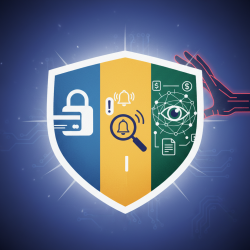
 Financial IrregularitiesPersonal Data AlertsDigital Security BreachesUnusual Communications
Recognizing the early warning signs, or "red flags," of Identity theft is not just recommended; it's a critical skill for safeguarding your financial well-being and personal privacy. This article will equip you with the knowledge to identify these key indicators, helping you act swiftly before irreversible damage occurs.
The Silent Threat: Why Vigilance Matters
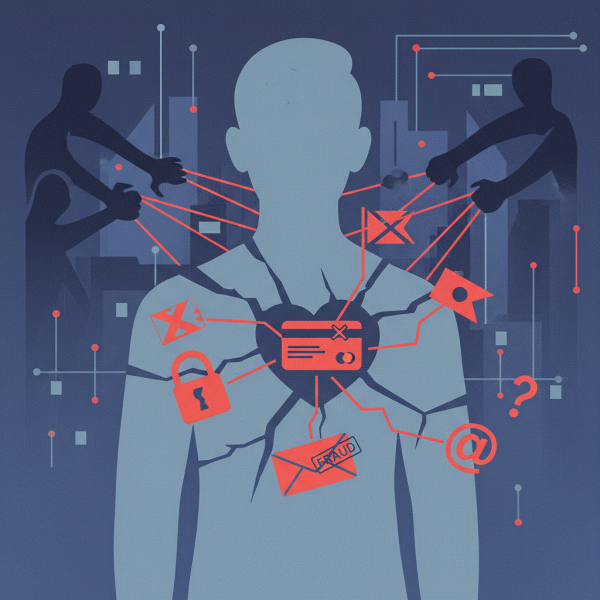
Identity theft isn't always announced with a siren; often, it begins with subtle, seemingly minor irregularities that can be easily overlooked. The longer identity theft goes undetected, the more complex and costly it becomes to resolve. Early detection is paramount to minimizing financial losses, protecting your credit score, and preventing the emotional distress that often accompanies being a victim. Being proactive and regularly monitoring your personal and financial landscapes is your best defense.
Financial Anomalies: Your Wallet's Warning Signs
Your financial accounts are often the first place to show signs of compromise. Staying vigilant about your bank statements and credit reports can provide critical early warnings.
Unusual Transactions: One of the most common red flags is seeing charges on your bank or credit card statements that you don't recognize. Even small, seemingly insignificant transactions should be investigated, as fraudsters often test small amounts before making larger purchases.
New Accounts: Discovering credit cards, loans, or other financial accounts opened in your name that you did not authorize is a strong indicator of identity theft. This can often appear as unsolicited mail from financial institutions.
Credit Score Changes: An unexpected drop in your credit score, or inquiries on your credit report from companies you haven't interacted with, are significant warning signs. Regularly checking your credit report (which you can do for free annually) is a powerful preventive measure.
Collection Calls for Unknown Debts: Receiving calls or letters from debt collectors about accounts or debts you don't recognize signals that someone might be using your identity to incur financial obligations.
- Unfamiliar bills or statements for services or products you didn't request.
- Denied credit applications despite having a previously good credit history.
- Mail regarding new accounts or credit lines you didn't apply for.
- Missing statements that typically arrive by mail, suggesting a change of address initiated by a fraudster.
Personal Information Alerts: Beyond Your Finances
Identity theft extends beyond just financial accounts. Your personal information, once compromised, can be used in various ways that manifest in unexpected areas of your life.
Medical Bills for Unreceived Services: If you start receiving medical bills or explanations of benefits for doctor's visits, procedures, or prescriptions you didn't undergo or receive, it's a sign of medical identity theft.
Government Notices: Receiving unexpected notices from government agencies, such as the IRS informing you that multiple tax returns have been filed in your name, or notifications from the Social Security Administration about changes to your benefits, are serious red flags.
Mail Changes: Noticing that your mail has stopped arriving, or receiving a notification that your address has been changed without your permission, could indicate a fraudster is attempting to divert your correspondence.
Driving License Issues: Being pulled over and informed that your driver's license is suspended, or receiving a notice about a duplicate license issued in your name, points to potential identity misuse.
Digital Footprint: Online Security Breaches
In our increasingly digital world, your online presence is a prime target for identity thieves. Vigilance over your digital accounts is crucial.
Account Lockouts: If you find yourself suddenly unable to log into your email, social media, banking, or other online accounts, and attempts to reset your password fail, it could mean someone has gained unauthorized access and changed your credentials.
Increased Phishing Attempts: While some phishing is normal, a sudden surge in highly targeted, suspicious emails or messages that seem to know personal details about you could indicate that your data has been exposed in a breach.
Data Breach Notifications: Receiving legitimate alerts from companies you do business with, informing you that your data was part of a breach, is a direct warning sign that your information may be compromised and used by criminals.
- Posts on your social media accounts that you didn't make, or strange messages sent to your contacts from your profile.
- Friends or family reporting suspicious emails or messages coming from your email or messaging apps.
- Unauthorized changes to your online profiles, such as contact information or security settings.
Proactive Steps After Detection
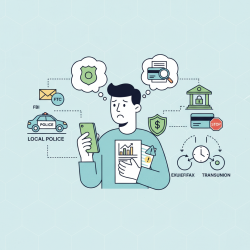
If you suspect your identity has been compromised, quick action is vital. First, contact your bank, credit card companies, and the three major credit bureaus (Experian, Equifax, TransUnion) to place a fraud alert or freeze your credit. Report the incident to the Federal Trade Commission (FTC) at identitytheft.gov, which can provide a personalized recovery plan. Secure all your online accounts by changing passwords to strong, unique combinations and enabling two-factor authentication (2FA) wherever possible. Document everything, including dates, times, and who you spoke with, to aid in recovery efforts.
Summary
Recognizing the red flags of identity compromise is essential for protecting your personal and financial security. Key indicators include unusual financial transactions, new accounts opened in your name, unexpected changes in your credit score, and collection calls for unknown debts. Beyond finances, watch for medical bills for unreceived services, suspicious government notices, mail diversions, and issues with your driver's license. Digitally, be alert to account lockouts, increased phishing attempts, and data breach notifications. Prompt action upon detecting any of these signs is crucial for mitigating damage and beginning the recovery process, safeguarding your future from the ramifications of identity theft.
Comprehension questions
 What are some key financial anomalies that could indicate identity compromise?How can changes in personal mail or government notices signal identity theft?What digital red flags should individuals be aware of to detect a compromised identity?What immediate steps should one take upon suspecting their identity has been compromised?
Community Poll
Next Lesson

Course Contents : Understanding and Preventing Identity Theft
- >> 5.
 Key Indicators Your Identity May Be Compromised