Steps to Take If Your Identity Is Stolen
- -->> 6. Steps to Take If Your Identity Is Stolen
What you'll learn
 Responding to Identity TheftFinancial Protection StepsReporting Identity FraudLong-Term Security Measures
Discovering that your identity has been stolen can be a deeply unsettling and stressful experience. The feeling of vulnerability, coupled with the potential financial and personal ramifications, can be overwhelming. However, a swift and systematic response is crucial to mitigating the damage and reclaiming your financial security. This article provides a clear, actionable plan outlining the essential steps to take if you become a victim of identity theft, guiding you through the critical process of reporting the crime, protecting your assets, and restoring your identity.
Recognizing and Confirming Identity Theft
The first step in any crisis is understanding the problem. Identity theft often manifests in various ways, from unauthorized charges on your credit card to suspicious calls from debt collectors for accounts you don't recognize. Prompt recognition is key to limiting the scope of the damage.
Be vigilant for warning signs such as:
- Unauthorized withdrawals or purchases on bank or credit card statements.
- Unexpected bills or collection notices for services or accounts you didn't open.
- Denial of credit for no apparent reason.
- Missing mail, especially financial statements.
- Calls from creditors about debts you don't owe.
Once you suspect identity theft, gathering any available evidence, like suspicious statements or emails, will be helpful in the subsequent reporting steps.
Immediate Actions: The First 48 Hours Are Critical
Time is of the essence when your identity is compromised. The sooner you act, the better your chances of preventing further damage.
Contact Creditors and Banks
Immediately contact the fraud departments of any companies where accounts have been tampered with or opened fraudulently. This includes banks, credit card companies, and other financial institutions. Explain that your identity has been stolen and ask them to close the fraudulent accounts, dispute unauthorized charges, and open new accounts if necessary. Keep detailed records of whom you spoke with, the date, and what was discussed.
Place a Fraud Alert
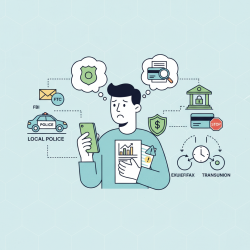
Contact one of the three major credit bureaus (Equifax, Experian, or TransUnion) to place a fraud alert on your credit report. By law, the bureau you contact must notify the other two. A fraud alert makes it harder for identity thieves to open new accounts in your name because businesses must take extra steps to verify your identity before granting credit.
Order Your Credit Reports
While the fraud alert is in place, you are entitled to free copies of your credit report from all three major bureaus. Review them carefully for any accounts you didn't open or inquiries you didn't authorize. This comprehensive check helps you identify the full extent of the theft.
Reporting the Crime
Official reporting is a critical step in establishing your case and protecting your legal rights.
File a Report with the Federal Trade Commission (FTC)
The FTC is the central government agency for identity theft complaints. Visit IdentityTheft.gov to report the theft and create an Identity Theft Report. This report is a crucial document that can help you with creditors and serve as evidence for other legal actions. It also generates a personalized recovery plan tailored to your specific situation.
File a Police Report
Although it might seem daunting, filing a police report is often necessary, especially if you know how your identity was stolen, if you have specific financial losses, or if a creditor requires it. Take your FTC Identity Theft Report, proof of your identity, and any evidence of the theft to your local police department. Obtain a copy of the police report or at least the report number.
Securing Your Accounts and Information
After initial reporting, focus on long-term security measures.
Change Passwords and PINs
Immediately change passwords for all your online accounts, including email, banking, social media, and shopping sites. Use strong, unique passwords for each account and consider using a password manager. Also, change any PINs for debit or credit cards that may have been compromised.
Review Your Statements Meticulously
Continue to monitor your financial statements and credit reports for several months, or even a year, after the incident. Identity thieves may use your information months after the initial attack.
Consider a Credit Freeze
A credit freeze, also known as a security freeze, is a more robust protection than a fraud alert. It prevents anyone, including you, from opening new credit in your name until you temporarily lift or permanently remove the freeze. This can be an effective way to stop new accounts from being opened fraudulently. You must contact each of the three credit bureaus individually to place a freeze.
Protecting Your Future Identity
Identity theft recovery is not a one-time event but an ongoing process of vigilance.
Monitor Your Credit and Accounts Regularly
Even after the immediate crisis, make a habit of checking your credit reports annually and reviewing your bank and credit card statements frequently. Consider identity theft protection services that offer monitoring and alerts.
Understand Your Rights
Familiarize yourself with your rights under laws like the Fair Credit Reporting Act (FCRA), which outlines how consumer reporting agencies must handle your information, and the Fair Credit Billing Act (FCBA), which protects you from unauthorized credit card charges.
Beware of Future Scams
Identity thieves often target victims multiple times. Be suspicious of unsolicited calls, emails, or texts asking for personal information, even if they claim to be from legitimate organizations. Always verify the source independently.
Summary
Dealing with identity theft requires a structured and proactive approach. The critical steps include immediately contacting financial institutions, placing fraud alerts on your credit, reporting the crime to the FTC and local police, and securing all your online and financial accounts. Furthermore, implementing a credit freeze and maintaining continuous vigilance over your financial health are vital for long-term protection and peace of mind. By following these steps diligently, you can effectively manage the aftermath of identity theft and work towards restoring your financial reputation.
Comprehension questions
 What are some common warning signs that indicate your identity might have been stolen?Which three immediate actions should victims take within the first 48 hours of suspecting identity theft?Why is it important to file reports with both the Federal Trade Commission (FTC) and the local police department after identity theft?What is the difference between a fraud alert and a credit freeze, and when might you consider using each?
Review Quiz
Next Lesson

Course Contents : Understanding and Preventing Identity Theft
- >> 6.
 Steps to Take If Your Identity Is Stolen