Navigating Identify Theft Emergencies
- -->> 7. Navigating Identify Theft Emergencies
What you'll learn
 Law Enforcement ContactFinancial Institution ReportingCredit Bureau ProtectionInformation Preparation
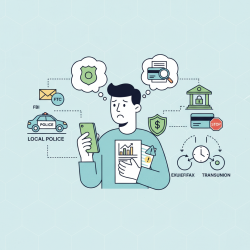
In moments of crisis, such as discovering financial fraud, identity theft, or experiencing a security breach, knowing precisely whom to contact and what critical information to provide can significantly impact the outcome. Swift and informed action is paramount in mitigating potential damage and initiating the necessary recovery processes. This guide outlines the essential steps and details required when reaching out to law enforcement agencies and various financial institutions, ensuring you are prepared to handle such challenging situations effectively.
Immediate Steps After Discovery
Upon realizing you've been a victim of financial crime or a security incident, your immediate response is crucial. The primary goal is to limit further damage and secure evidence. Do not delay. Gather any initial details you can safely access, such as suspicious transaction dates or unusual communications, before making your first calls.
Contacting Law Enforcement Agencies
Reporting a crime to the appropriate law enforcement agency is often the first formal step. The type of incident will determine whether you should contact local police, state authorities, or federal agencies.
Local Police Department
Contact your local police department for incidents such as theft of physical property, unauthorized use of a stolen credit card used locally, or certain types of identity theft that have a clear local nexus. They can initiate a police report, which is frequently required by financial institutions and insurance companies.
Federal Agencies
For broader or more complex financial crimes, federal agencies become relevant:
- Federal Trade Commission (FTC): Report identity theft at IdentityTheft.gov. The FTC does not investigate individual cases but provides a recovery plan and official affidavits that can be used with creditors.
- Federal Bureau of Investigation (FBI): For cybercrime, large-scale fraud schemes, or significant financial scams, especially those crossing state lines or involving organized crime. Reports can be made through the Internet Crime Complaint Center (IC3).
- U.S. Secret Service: Handles financial crimes such as counterfeit currency, bank fraud, and certain types of credit card fraud, especially if it involves national security or critical infrastructure.
When contacting law enforcement, be prepared to provide a clear, concise narrative of what happened, including dates, times, locations, and any individuals or entities involved, if known. Include any suspicious transaction IDs, email addresses, or phone numbers related to the incident. Obtain a copy of the police report or at least the report number for future reference.
Informing Your Financial Institutions
Notifying your banks, credit card companies, and other financial service providers immediately is critical to preventing further financial loss. Most institutions have dedicated fraud departments.
Banks and Credit Card Companies
If your debit or credit card is lost, stolen, or compromised, or if you notice unauthorized transactions, call the number on the back of your card or statement without delay. Most institutions offer 24/7 fraud reporting services.
Investment Firms and Other Financial Services
For unauthorized activity related to brokerage accounts, retirement funds, or other investment vehicles, contact the specific firm's customer service or fraud department. These accounts often hold significant assets, making rapid reporting even more vital.
When you call, have the following information readily available:
- Your account number(s)
- Specific dates and amounts of unauthorized transactions
- Merchant names or details associated with fraudulent activity
- A brief explanation of how you discovered the issue
- Any relevant report numbers from law enforcement
Confirm their process for investigating fraud, how long it typically takes, and what steps you need to take, such as completing fraud affidavits or changing account numbers. Always ask for a reference number for your call or case.
Notifying Credit Bureaus and Identity Protection Services
After experiencing identity theft or a significant data breach, placing alerts and freezes on your credit reports is a crucial protective measure.
Credit Bureaus
Contact the three major credit bureaus: Experian, Equifax, and TransUnion. You can place an initial fraud alert, which requires businesses to verify your identity before extending new credit. This alert lasts one year. If you have a police report or an identity theft report from the FTC, you can place an extended fraud alert for seven years.
Consider implementing a credit freeze. This prevents anyone from accessing your credit report to open new accounts, making it a powerful deterrent against identity thieves. You must individually place and unfreeze a credit freeze with each bureau.
FTC IdentityTheft.gov
This federal resource provides a personalized recovery plan, creates an official Identity Theft Report, and offers letters to send to creditors. It streamlines the reporting process for many types of identity theft and helps you navigate the recovery steps.
Essential Information to Have Ready
Regardless of whom you are contacting, having certain information prepared will expedite the process and ensure you provide comprehensive details:
- Your full legal name, current and previous addresses, date of birth, and Social Security Number (SSN - be cautious about sharing your SSN over unsecured lines or emails unless you initiated the call to a trusted entity).
- Details of the incident: when and where it occurred, how you discovered it, and any known perpetrators or suspicious communications.
- Any supporting documentation: bank statements, credit card statements, emails, text messages, fraudulent bills, or previous police reports.
- Contact details for any individuals or businesses involved in the fraudulent activity.
- A chronological log of all actions taken, including dates, times, names of people you spoke with, and reference numbers.
Following Up and Documentation
The process of recovering from financial crime or identity theft is often ongoing. Maintain meticulous records of every conversation, document, and action taken. This includes dates, times, names of representatives, department names, and especially any reference or case numbers provided. Keep copies of all correspondence, affidavits, and police reports. Regularly review your credit reports and all financial statements for any new suspicious activity. Consistent follow-up ensures that your case progresses and that you remain informed about its status. Prompt and thorough documentation is your best ally in resolving these complex situations.
Summary
Effectively navigating financial emergencies requires immediate, informed action. Knowing whom to call, whether it's local police, federal agencies, or your financial institutions, is the first critical step. Providing precise details, such as account numbers, transaction specifics, and incident timelines, expedites resolution. Furthermore, utilizing resources like credit bureaus for fraud alerts and maintaining diligent documentation of all communications are indispensable for protecting your financial well-being and aiding in a successful recovery.
Comprehension questions
 Which federal agency should be contacted for reporting identity theft and obtaining a recovery plan?What are two key types of information that should be provided when reporting unauthorized transactions to a financial institution?Besides placing a fraud alert, what other powerful protective measure can be implemented with credit bureaus to prevent new accounts from being opened?Why is maintaining a detailed log of all communications and documentation important during the recovery process from a financial crime?
Review Quiz
Next Lesson
Course Contents : Understanding and Preventing Identity Theft
- >> 7.
 Navigating Identify Theft Emergencies