Utilizing Credit Freezes, Fraud Alerts, and Identity Theft Protection Services
- -->> 8. Utilizing Credit Freezes, Fraud Alerts, and Identity Theft Protection Services
What you'll learn
 Credit Freeze MechanismsFraud Alert TypesIdentity Theft ServicesIntegrated Protection Strategy
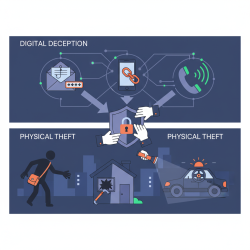
In an increasingly digital world, the threat of identity theft looms larger than ever. Personal data, from Social Security numbers to banking details, is constantly at risk from breaches, phishing scams, and sophisticated cyberattacks. Protecting your financial identity requires more than just careful online habits; it demands proactive and advanced strategies. This article will delve into three crucial lines of defense: credit freezes, fraud alerts, and comprehensive identity theft protection services, explaining how each works and how to integrate them into a robust personal security strategy.
Understanding the Threat: Identity Theft
Identity theft occurs when someone uses your personal identifying information, like your name, Social Security number, or credit card number, without your permission, to commit fraud or other crimes. The consequences can be devastating, leading to financial loss, damage to credit scores, and significant time and effort spent on recovery. Common forms include new account fraud, where criminals open credit cards or loans in your name, and existing account fraud, where they take over your current accounts.
Credit Freezes: The Ultimate Lock
A credit freeze, also known as a security freeze, is one of the most powerful tools available to prevent new account identity theft. When you place a credit freeze, it restricts access to your credit report, meaning lenders and other companies cannot view it. Since most creditors require access to your credit report before opening a new account, a freeze effectively prevents fraudsters from opening new lines of credit in your name.
How to Implement a Credit Freeze
Placing a credit freeze is a straightforward process:
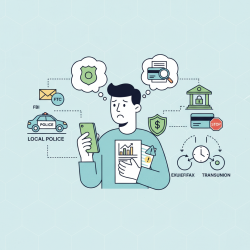
- Contact each of the three major credit bureaus individually: Equifax, Experian, and TransUnion.
- You can typically request a freeze online, by phone, or by mail.
- You will need to provide personal identifying information to verify your identity.
- Confirm the freeze has been placed with each bureau.
It’s essential to freeze your credit with all three bureaus, as lenders might check only one. The freeze is free to place and lift.
When to Thaw or Lift a Freeze
If you need to apply for new credit, a loan, or even some jobs or insurance policies that require a credit check, you’ll need to temporarily lift or “thaw” your freeze. This can be done for a specific period or for a specific creditor, and it’s usually quick and easy to manage online or via phone with each bureau. Remember to re-freeze your credit once the legitimate inquiry is complete.
Benefits and Drawbacks
The primary benefit of a credit freeze is its effectiveness in preventing new account fraud. It puts you in control of who can access your credit report. The main drawback is the minor inconvenience of having to temporarily lift the freeze whenever you legitimately need your credit checked. However, this small effort is a strong deterrent against criminals.
Fraud Alerts: A Critical Warning System
While a credit freeze prevents access to your report, a fraud alert acts as a warning system. When you place a fraud alert, creditors are advised to take extra steps to verify your identity before extending credit in your name. This typically means they should contact you directly to confirm that you are the one applying for credit.
Types of Fraud Alerts
There are generally three types of fraud alerts:
- Initial Fraud Alert: Lasts for one year. If you place one with any of the three credit bureaus, that bureau will notify the other two.
- Extended Fraud Alert: Available if you have already been a victim of identity theft. It lasts for seven years and requires you to submit an Identity Theft Report or police report.
- Active Duty Military Fraud Alert: For military personnel deployed away from their usual duty station. This alert lasts for one year and can be renewed.
How to Place a Fraud Alert
You only need to contact one of the three major credit bureaus to place an initial or extended fraud alert. That bureau is legally required to notify the other two. The alert will then be added to your credit reports from all three agencies.
Differences from Credit Freezes
A credit freeze completely blocks access to your credit report unless you explicitly lift it. A fraud alert, on the other hand, allows access but requests creditors to exercise additional caution. While both are valuable, a credit freeze offers a higher level of protection against new account fraud because it creates a direct barrier.
Identity Theft Protection Services: Comprehensive Shield
Identity theft protection services offer a broader range of safeguards beyond credit monitoring. These subscription-based services typically combine proactive monitoring, alert systems, and, crucially, resolution assistance should you become a victim of identity theft.
What do these services offer?
These services are designed to detect suspicious activity across various aspects of your digital footprint and assist in recovery.
Key Features
- Credit Monitoring: Tracks changes on your credit reports from one or all three bureaus.
- Dark Web Monitoring: Scans criminal marketplaces for your personal information (e.g., Social Security number, credit card numbers, email addresses).
- Bank Account & Investment Monitoring: Watches for suspicious transactions.
- Public Records Monitoring: Alerts you to changes in public records associated with your identity.
- Identity Restoration Services: If theft occurs, these services provide dedicated case managers who can help with the complex process of disputing fraudulent accounts, contacting creditors, and restoring your identity.
- Identity Theft Insurance: Often included to cover expenses related to recovery, such as legal fees or lost wages.
Choosing the Right Service
When selecting a service, consider the scope of monitoring, the quality of identity restoration assistance, and whether it aligns with your specific risk profile and budget. It’s important to understand what information the service monitors and how quickly it alerts you to potential issues.
Integrating Your Protection Strategy
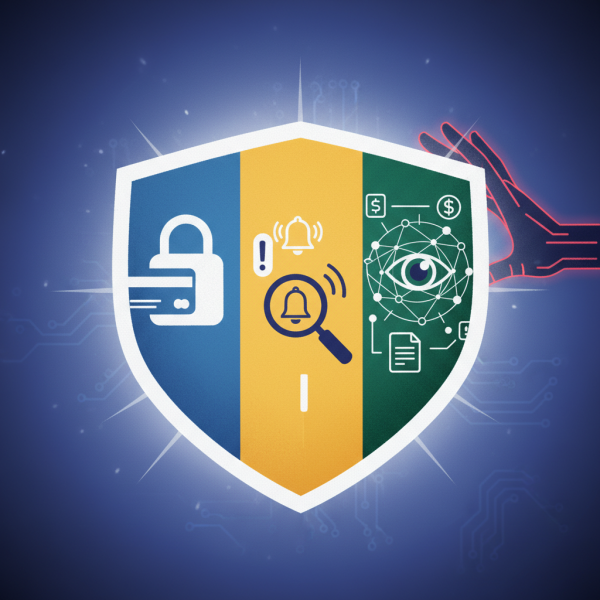
The most effective defense against identity theft involves a multi-layered approach. A credit freeze provides the strongest barrier against new account fraud. Fraud alerts add an extra layer of vigilance, urging caution from creditors. Identity theft protection services then offer continuous monitoring across a wider spectrum of your data and provide invaluable support if your identity is compromised. By combining these strategies, you create a robust ecosystem of protection.
Summary
Protecting your identity in today’s digital landscape requires advanced strategies beyond basic precautions. Credit freezes offer a powerful deterrent by blocking access to your credit report, preventing new account fraud. Fraud alerts serve as a crucial warning system, prompting creditors to verify your identity before extending credit. Additionally, comprehensive identity theft protection services provide ongoing monitoring across various data points and crucial assistance in identity restoration, forming a complete shield against the evolving threats of identity theft.
Comprehension questions
 What is the primary difference in function between a credit freeze and a fraud alert?How many types of fraud alerts are typically available, and what is the key distinction between them?What are the main benefits of using an identity theft protection service beyond credit monitoring?Explain the process of placing and temporarily lifting a credit freeze.
Community Poll
Next Lesson

Course Contents : Understanding and Preventing Identity Theft
- >> 8.
 Utilizing Credit Freezes, Fraud Alerts, and Identity Theft Protection Services