Understanding Common Identity Theft Types and Methods
- -->> 1. Understanding Common Identity Theft Types and Methods
What you'll learn
 Definition of Identity TheftTypes of Identity TheftMethods of Identity TheftIdentity Theft Prevention
Identity theft is a pervasive and malicious crime that can inflict severe financial and emotional distress upon its victims. In an increasingly digital world, where personal information is frequently shared and stored online, the risk of falling prey to identity thieves has grown significantly. Understanding what identity theft entails, its various forms, and the common tactics employed by criminals is the first crucial step in safeguarding one's personal and financial well-being. This article will delve into the core definition of identity theft, explore its diverse categories, and illuminate the most prevalent methods criminals use to exploit unsuspecting individuals.
What is Identity Theft?
At its core, identity theft occurs when someone unlawfully obtains and uses another person's personal identifying information for their own benefit, typically financial gain. This stolen information can range from names, addresses, and birth dates to more sensitive data like Social Security numbers, bank account details, and credit card numbers. The thief then impersonates the victim to open new accounts, make purchases, file fraudulent tax returns, or even commit crimes, leaving the victim to deal with the devastating aftermath.
The consequences of identity theft can be far-reaching and complex. Victims may face damaged credit scores, significant financial losses, legal battles, and the arduous task of restoring their good name and financial standing. The time and effort required to recover from identity theft can be substantial, often taking months or even years to fully resolve all issues.
Various Types of Identity Theft
Identity theft isn't a singular crime; it manifests in several distinct forms, each with its own characteristics and potential impact. Understanding these types helps in recognizing the varied threats individuals face.
- Financial Identity Theft: This is perhaps the most common type, where criminals use stolen personal information to access existing bank accounts, open new credit card accounts, apply for loans, or make unauthorized purchases. They might drain bank accounts, run up massive debts, or redirect financial aid.
- Medical Identity Theft: In this serious form, a thief uses another person's name or insurance information to obtain medical services, prescription drugs, or to make false claims. This can lead to inaccurate medical records for the victim, potential issues with insurance coverage, and even receiving inappropriate medical treatment based on someone else's history.
- Child Identity Theft: Children are particularly vulnerable because their Social Security numbers are often clean and remain unused for many years, making it an ideal target for criminals seeking to open new lines of credit or apply for government benefits. Parents often don't discover this type of theft until the child is much older and applies for their first job or credit.
- Tax Identity Theft: This occurs when a criminal uses a stolen Social Security number to file a fraudulent tax return and claim a refund in the victim's name. Victims typically discover this when their legitimate tax return is rejected because one has already been filed.
- Criminal Identity Theft: If a criminal is arrested and provides another person's identity to law enforcement, it constitutes criminal identity theft. This can result in a false criminal record for the victim, leading to warrants for their arrest or trouble with background checks.
- Synthetic Identity Theft: This sophisticated form involves combining real and fake information to create a new, fabricated identity. Often, a real Social Security number (often from a child or someone deceased) is combined with a fictitious name and date of birth. This synthetic identity is then used to open accounts and establish credit, which is then maxed out, and the "identity" disappears. This makes it difficult for traditional fraud detection systems to flag.
Common Methods Employed by Identity Thieves
Identity thieves utilize a wide array of deceptive and sometimes sophisticated methods to obtain personal information. Awareness of these tactics is critical for prevention.
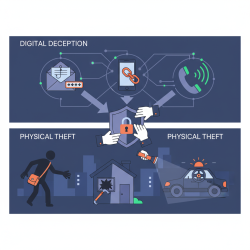
- Phishing, Smishing, and Vishing: These are social engineering tactics where criminals impersonate legitimate organizations (banks, government agencies) through email (phishing), text messages (smishing), or phone calls (vishing). Their goal is to trick individuals into revealing sensitive information like login credentials, passwords, or account numbers.
- Malware and Spyware: Malicious software can be installed on a victim's computer or mobile device without their knowledge, often through deceptive downloads or infected websites. Keyloggers, a type of spyware, record every keystroke, capturing passwords and other confidential data as it's typed.
- Data Breaches: Large-scale data breaches at companies, government agencies, or healthcare providers expose the personal information of millions of individuals. Criminals then purchase or trade this stolen data on the dark web.
- Skimming: This method involves thieves using devices attached to card readers at ATMs, gas pumps, or point-of-sale terminals to secretly copy credit or debit card information during a legitimate transaction.
- Dumpster Diving: Identity thieves literally "dive" into trash bins to find discarded documents containing personal information, such as utility bills, bank statements, or pre-approved credit card offers.
- Mail Theft: Stealing physical mail from mailboxes or postal facilities can yield a treasure trove of personal data, including bank statements, tax documents, or checks.
- Shoulder Surfing: This low-tech method involves criminals secretly looking over someone's shoulder to obtain personal information, such as PINs at an ATM, credit card numbers at a checkout, or passwords being typed on a public computer.
- Public Wi-Fi Vulnerabilities: Unsecured public Wi-Fi networks can be exploited by criminals to intercept data being transmitted, making it easier for them to steal information if users are not using a Virtual Private Network (VPN).
Protecting Yourself from Identity Theft
While the methods of identity theft are numerous, individuals can take proactive steps to significantly reduce their risk. Regularly monitoring bank and credit card statements, reviewing credit reports annually, using strong and unique passwords for online accounts, and enabling two-factor authentication are essential practices. Shredding sensitive documents before discarding them, being wary of unsolicited communications, and being cautious about sharing personal information online or over the phone are also vital safeguards. Educating oneself about the latest scams and remaining vigilant are continuous efforts in the fight against identity theft.
Summary
Identity theft is a multifaceted and serious crime where personal information is unlawfully used for fraudulent purposes. We've explored various types, including financial, medical, child, tax, criminal, and synthetic identity theft, each presenting unique challenges. Furthermore, we've outlined common methods employed by thieves, such as phishing, malware, data breaches, skimming, and mail theft. Understanding these aspects is crucial for individuals to recognize threats and implement effective protective measures against this prevalent digital-age crime.
Comprehension questions
 What is the fundamental definition of identity theft?List and briefly describe three different types of identity theft discussed in the article.Name at least four common methods that identity thieves employ to obtain personal information.Why are children particularly vulnerable to identity theft, and what form does this often take?
Review Quiz
Next Lesson

Course Contents : Understanding and Preventing Identity Theft
- >> 1.
 Understanding Common Identity Theft Types and Methods