
Understanding and Preventing Identity Theft
Course Details
In today's interconnected world, safeguarding your financial health extends beyond budgeting and investing; it crucially involves protecting your personal identity. Identity theft is a pervasive threat that can undermine years of diligent financial planning, leading to significant monetary loss, damaged credit, and immense stress. Understanding this evolving landscape is the first critical step toward securing your future and maintaining peace of mind.
Identity theft manifests in numerous forms, from fraudulent credit card applications and unauthorized bank withdrawals to medical identity theft and tax fraud. Scammers constantly devise new methods to access your sensitive information, exploiting vulnerabilities online, through phishing emails, or even traditional mail. Recognizing these various tactics is vital for anyone aiming to be financially prudent and secure their hard-earned assets.
While the prospect of identity theft can be daunting, empowering yourself with knowledge and practical strategies can significantly reduce your risk. This course will equip you with the essential tools to not only identify the warning signs of potential theft but also to understand the steps required to mitigate damage and reclaim your identity should you fall victim. Learning proactive defensive measures is key to building a resilient financial defense.
Are you ready to strengthen your financial defenses and gain mastery over potential threats to your identity? Join us in this comprehensive course where we will demystify identity theft, provide actionable detection techniques, and share invaluable tips and tricks to help you avoid becoming a victim. Enroll today and take control of your financial security journey!
Course Contents (9 lessons)
- 1.
 This article defines identity theft, explains its types (financial, medical), and details common criminal methods for data theft, emphasizing the need for vigilance.
 - 2.
 Identity theft's true cost extends beyond immediate financial loss, encompassing significant time, emotional distress, reputational damage, and long-term financial repercussions for victims.
 - 3.
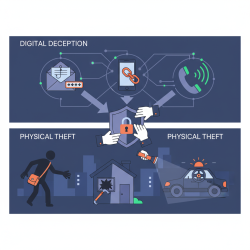 This article details prevalent deceptive theft methods, including phishing, smishing, vishing, and physical theft, offering crucial insights into recognition and protection.
 - 4.
 Proactive account monitoring, including regular credit report and financial statement reviews, is crucial for detecting and preventing identity theft and financial fraud effectively.
 - 5.
 Vigilant monitoring of financial statements, credit reports, and digital account activity provides essential early warnings for potential identity compromise, enabling swift protective action.
 - 6.
 Immediate action after identity theft is vital: contact financial institutions, place fraud alerts, report to the FTC and police, then secure accounts to protect yourself.
 - 7.
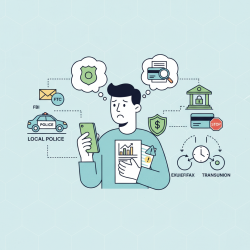 Knowing whom to call and what precise information to provide during financial fraud or identity theft incidents is critical for prompt resolution and mitigating damage.
 - 8.
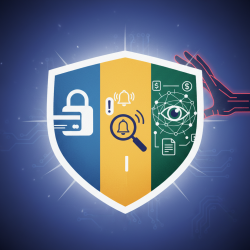 Proactive defense against identity theft involves leveraging robust tools like credit freezes to prevent unauthorized account openings, employing fraud alerts for suspicious activity warnings, and subscribing to comprehensive identity theft protection services that monitor and resolve fraud incidents.
 - 9.
 Safeguarding digital life necessitates secure password management, enabling two-factor authentication, and cultivating vigilant online habits against evolving cyber threats.