Essential Strategies for Online Security
- -->> 9. Essential Strategies for Online Security
What you'll learn
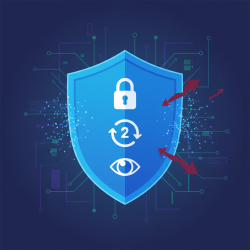
 Secure Password ManagementTwo-Factor AuthenticationSafe Online HabitsDigital Identity Protection
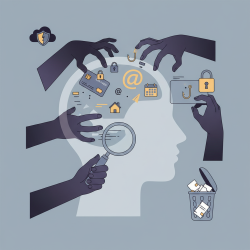
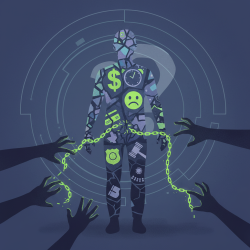
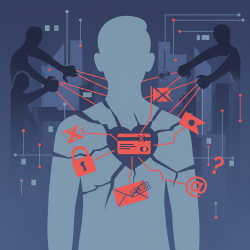
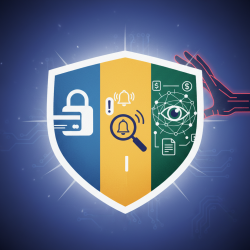
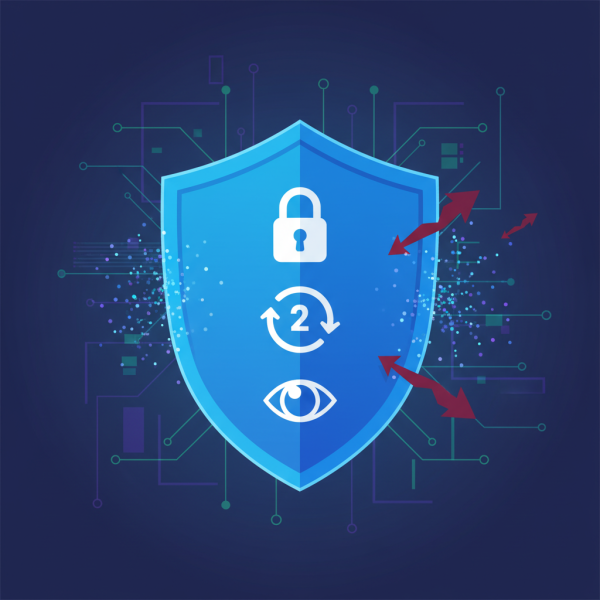
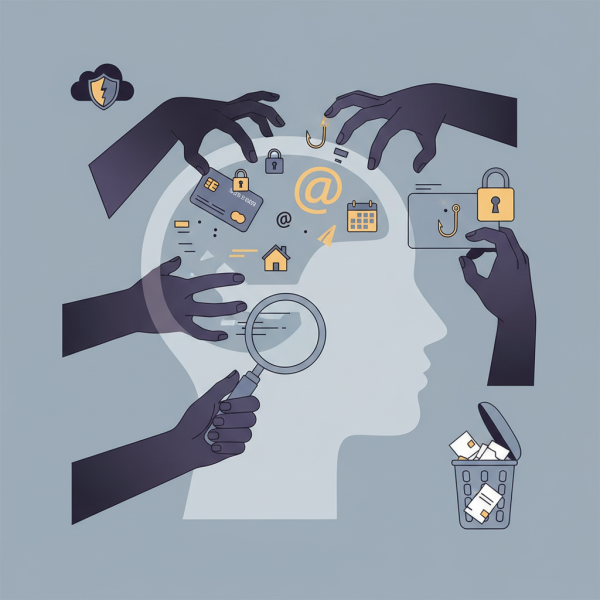
In an increasingly interconnected world, our digital footprint expands daily, encompassing everything from personal communications and financial transactions to professional documents and cherished memories. This digital existence, while offering immense convenience and connectivity, also presents a landscape fraught with risks. Safeguarding this digital life is no longer an option but a necessity. It requires a conscious and proactive approach, integrating robust security measures and cultivating habits that fortify our online presence against an ever-evolving array of cyber threats. This article will delve into three fundamental pillars of digital security: secure password management, the indispensable role of two-factor authentication, and the cultivation of vigilant online habits.
The Cornerstone: Secure Password Management
Passwords are the primary gatekeepers to our digital accounts, yet they are often the weakest link in our security chain. A strong password is not just a recommendation; it's a fundamental requirement for digital safety. Creating and maintaining secure passwords is a critical first step in protecting your information.
Characteristics of a strong password:
- Length: Aim for at least 12-16 characters. Longer passwords are inherently more difficult to guess or crack.
- Complexity: Combine a mix of uppercase and lowercase letters, numbers, and special characters. Avoid easily guessable patterns like keyboard sequences or common words.
- Uniqueness: Never reuse passwords across different accounts. If one service is compromised, a unique password prevents attackers from gaining access to your other accounts.
Managing numerous unique, complex passwords can be daunting, which is where password managers become invaluable tools. These applications securely store all your login credentials behind a single, strong master password. They can generate highly complex passwords for new accounts and autofill them when you log in, significantly simplifying password management while enhancing security. Popular password managers often encrypt your data locally and offer cross-device synchronization, ensuring your passwords are safe and accessible only to you.
Bolstering Defenses with Two-Factor Authentication (2FA)
Even the strongest password can theoretically be compromised. This is where two-factor authentication (2FA), also known as multi-factor authentication (MFA), steps in as a critical secondary layer of defense. 2FA requires two distinct forms of verification before granting access to an account, making it exponentially harder for unauthorized users to break in, even if they possess your password.
The two factors typically come from different categories:
- Something you know: Your password or a PIN.
- Something you have: A physical token, a smartphone (for SMS codes or authenticator apps), or a biometric key.
- Something you are: A fingerprint, facial scan, or retina scan.
When 2FA is enabled, after entering your password, you'll be prompted for a second factor. This could be a code sent to your phone via SMS, a code generated by a dedicated authenticator app (like Google Authenticator or Authy), or a confirmation prompt on a trusted device. The slight inconvenience of this extra step is a small price to pay for the significant boost in security it provides. It acts as a powerful deterrent, transforming a successful password breach into a failed login attempt for the attacker.
Cultivating Vigilant Online Habits
Technology and security measures are only as effective as the users employing them. Developing safe online habits is paramount to maintaining digital security, irrespective of how strong your passwords or how many layers of authentication you have.
Key safe online habits include:
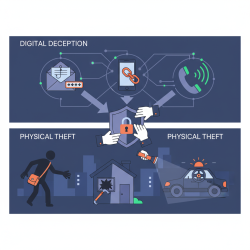
- Phishing Awareness: Be highly skeptical of unsolicited emails, messages, or calls asking for personal information or urging you to click suspicious links. Always verify the sender and the legitimacy of the request independently.
- Public Wi-Fi Caution: Public Wi-Fi networks are often unsecured and susceptible to eavesdropping. Avoid conducting sensitive transactions (like banking or online shopping) when connected to public networks. If necessary, use a Virtual Private Network (VPN) for an encrypted connection.
- Software and System Updates: Regularly update your operating system, web browsers, and all installed applications. These updates frequently include critical security patches that fix vulnerabilities attackers could exploit.
- Mindful Information Sharing: Be judicious about what personal information you share online, especially on social media. Over-sharing can provide cybercriminals with valuable data for identity theft or targeted attacks.
- Regular Data Backups: Periodically back up your important files and data to an external drive or a secure cloud service. This protects you against data loss due to hardware failure, accidental deletion, or ransomware attacks.
Conclusion
Safeguarding our digital lives is an ongoing commitment in an increasingly digital world. It is a multi-faceted endeavor that relies on a combination of strong technological safeguards and informed user behavior. By prioritizing secure password management through unique, complex passwords and the use of password managers, we establish a robust first line of defense. The implementation of two-factor authentication then provides an essential second layer, dramatically reducing the risk of unauthorized access even if a password is compromised. Finally, cultivating vigilant online habits – such as recognizing phishing attempts, exercising caution on public Wi-Fi, keeping software updated, and being mindful of personal data sharing – empowers individuals to navigate the digital landscape safely. Adopting these practices collectively forms a comprehensive strategy for protecting your digital identity and valuable information against the myriad of cyber threats.
Comprehension questions
 What are the three main characteristics of a strong password mentioned in the article?How does two-factor authentication (2FA) enhance online security, even if a password is compromised?Name two categories of factors typically used in two-factor authentication.List three safe online habits that users should adopt to maintain digital security.
Review Quiz
Next Lesson
Course Contents : Understanding and Preventing Identity Theft
- >> 9.
 Essential Strategies for Online Security