
The 50/30/20 Rule Simplified: Balancing Needs, Wants, and Financial Goals
What you'll learn
 Budgeting EssentialsIncome Allocation StrategiesFinancial Goal SettingDebt Management
Understanding how to manage your money effectively is a fundamental skill that can dramatically improve your financial well-being and reduce stress. The 50/30/20 rule is a straightforward, intuitive budgeting method designed to help individuals balance their spending on essential needs, discretionary wants, and crucial financial goals. It offers a simple framework that can be adapted by anyone looking to gain better control over their income, guiding you towards smarter saving and spending habits without overly restrictive measures. This rule provides a clear path to allocate your after-tax income, ensuring that all aspects of your financial life are addressed, from daily expenses to long-term wealth building.
What is the 50/30/20 Rule?
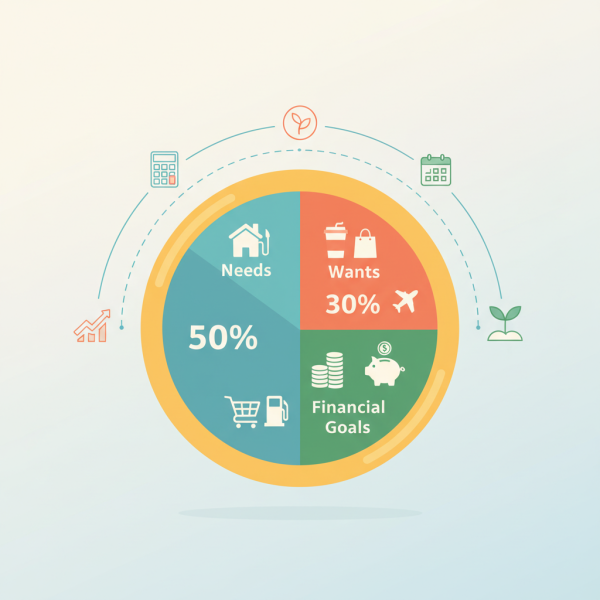
At its core, the 50/30/20 rule suggests dividing your after-tax income into three main categories: 50% for Needs, 30% for Wants, and 20% for Financial Goals. This division helps you categorize your expenses and savings, making it easier to see where your money is going and where you can make adjustments. It's a highly flexible guideline, not a rigid law, allowing for personal adaptation while still providing a strong foundation for financial discipline. The beauty of this rule lies in its simplicity and the immediate clarity it offers regarding your spending patterns.
The 50% for Needs
The largest portion of your income, 50%, should be allocated to your needs. These are non-negotiable expenses essential for your survival and livelihood. If you don't pay for these, there would be significant negative consequences. It's crucial to distinguish genuine needs from things that might feel like needs but are, in fact, wants. Being honest with yourself in this category is the first step toward effective budgeting.
Common examples of needs include:
- Housing costs (rent or mortgage payments)
- Utilities (electricity, gas, water, internet)
- Groceries (essential food items, not dining out)
- Transportation (car payments, fuel, public transit fares)
- Healthcare (insurance premiums, essential medical expenses)
- Minimum loan payments (student loans, credit card minimums)
If your needs exceed 50% of your income, it's a clear signal that you might need to adjust your lifestyle or increase your income. This could involve finding more affordable housing, reducing utility consumption, or seeking ways to lower your transportation costs. Re-evaluating your needs can often uncover surprising areas where savings can be made without significantly impacting your quality of life.
The 30% for Wants
The next 30% of your after-tax income is dedicated to your wants. These are expenses that improve your quality of life but are not strictly necessary for survival. Wants are often where people overspend, leading to financial strain. This category allows for enjoyment and leisure, but within a defined boundary, preventing impulse purchases from derailing your financial progress.
Examples of wants typically include:
- Dining out at restaurants and cafes
- Entertainment (movies, concerts, streaming services)
- Vacations and travel
- Hobbies and recreational activities
- Shopping for non-essential clothing or gadgets
- Gym memberships (if not medically necessary)
- Premium cable packages or subscriptions
This 30% bucket is where you have the most flexibility and control. If you find yourself struggling to meet your financial goals or paying off debt, cutting back on wants is often the easiest place to start. It’s about conscious spending, choosing to allocate your want money to things that truly bring you value and joy, rather than spending thoughtlessly.
The 20% for Financial Goals
The final 20% of your income is allocated to financial goals. This is arguably the most critical portion, as it directly contributes to your future financial security and wealth accumulation. This category covers savings and debt repayment beyond the minimums, providing a foundation for long-term stability.
Key areas for your financial goals include:
- Emergency fund contributions (aim for 3-6 months of living expenses)
- Retirement savings (401k, IRA contributions)
- Investment accounts
- Paying down high-interest debt (credit cards, personal loans) above the minimums
- Saving for a down payment (house, car)
- Saving for education or other significant future expenses
Consistently contributing 20% of your income to these goals can lead to substantial financial growth over time due to the power of compounding. Automating these savings is a highly effective strategy; setting up automatic transfers from your checking account to your savings or investment accounts ensures you pay yourself first and stick to your budget without constant effort.
Adapting the Rule to Your Life
While the 50/30/20 rule provides a fantastic starting point, it's not a one-size-fits-all solution. Your personal circumstances, income level, and current debt situation might require some adjustments. For instance, if you have significant high-interest debt, you might choose to allocate more than 20% to debt repayment in the short term, perhaps temporarily reducing your 'wants' percentage. Similarly, if your cost of living is exceptionally high, your 'needs' might temporarily exceed 50%. The key is to be flexible and adjust as your financial situation changes, always striving to get as close to the ideal percentages as possible over time.
Regularly reviewing your budget and spending is essential to ensure you're adhering to your chosen allocations and making progress towards your financial objectives. Tools like budgeting apps, spreadsheets, or even a simple notebook can help you track your income and expenses, providing a clear picture of your financial health. Remember, the goal is not perfection, but consistent improvement and awareness.
Summary
The 50/30/20 rule simplifies personal finance by guiding the allocation of after-tax income: 50% for essential needs, 30% for discretionary wants, and 20% for crucial financial goals like savings and debt repayment. Understanding and implementing this rule allows individuals to gain control over their spending, build an emergency fund, invest for the future, and achieve financial security. It promotes conscious spending and offers flexibility to adapt to personal circumstances, making it a powerful tool for anyone looking to improve their money management skills and secure a stable financial future.
Comprehension questions
 What are the three main categories of the 50/30/20 rule and what percentage of after-tax income is allocated to each?Provide three examples of 'needs' according to the 50/30/20 rule.How can individuals adapt the 50/30/20 rule if their needs exceed 50% of their income?What are some key areas for allocating the 20% portion dedicated to financial goals?