
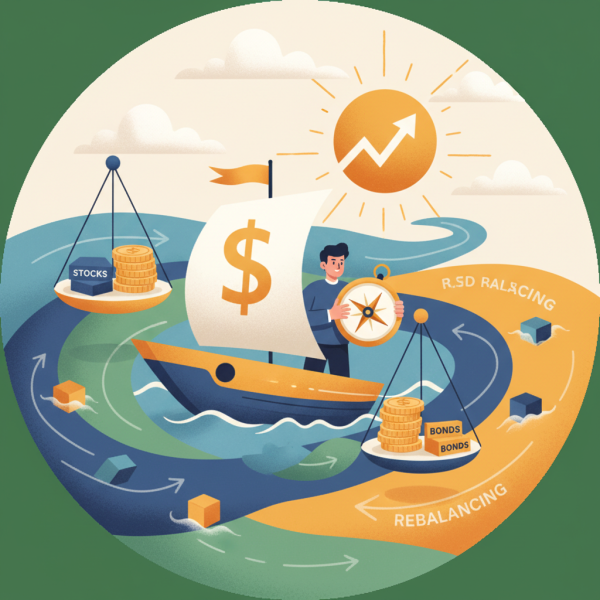
The Essentials of Asset Allocation and Portfolio Rebalancing
What you'll learn
 Asset Allocation FundamentalsUnderstanding Risk TolerancePortfolio Rebalancing StrategiesMaintaining Financial Goals
Navigating the world of personal finance can often feel like steering a ship through constantly shifting waters. One of the most critical concepts for maintaining a steady course towards your financial goals is understanding and actively managing your investment portfolio through asset allocation and rebalancing. These aren't just fancy financial terms; they are fundamental strategies that empower you to keep your investments aligned with your risk tolerance and long-term objectives, regardless of how the market behaves. By mastering these principles, you can proactively protect your wealth, optimize potential returns, and feel more confident about your financial future.
What is Asset Allocation?
At its core, asset allocation is simply the process of dividing your investment portfolio among different asset categories. Think of it as building a diversified team for your money, where each player has a different role and characteristic. The most common asset classes include stocks (equities), bonds (fixed income), and cash or cash equivalents. Each of these classes behaves differently under various market conditions, offering a unique blend of risk and potential return.
For example, stocks generally offer higher growth potential over the long term but come with greater short-term volatility. Bonds, on the other hand, typically provide more stability and income, acting as a cushion during market downturns, though their growth potential is usually more modest. Cash, while offering ultimate safety, often provides minimal returns, sometimes not even keeping pace with inflation. A well-thought-out asset allocation strategy considers your financial goals, time horizon, and crucially, your individual risk tolerance.
Your ideal mix isn't a one-size-fits-all solution. A young investor with decades until retirement might comfortably have a higher allocation to stocks, leveraging the power of compounding over time to ride out market dips. Conversely, someone nearing retirement might opt for a more conservative allocation, prioritizing capital preservation to fund their golden years. The initial allocation sets the foundation for your investment journey.
Why Your Asset Allocation Changes
Once you've established your initial asset allocation, it won't stay perfectly balanced on its own. The market is dynamic, and different asset classes perform differently over time. If stocks have a fantastic year, the portion of your portfolio invested in stocks will grow, potentially exceeding your initial target percentage. Conversely, if bonds underperform, their slice of the pie will shrink. These fluctuations naturally push your portfolio out of its intended balance.
Consider an example: you decide on a 70% stock and 30% bond portfolio. If stocks surge by 20% while bonds remain flat, your stock allocation might now represent 75% or more of your total portfolio value. While this might seem like a good problem to have, it means your portfolio has become riskier than you initially intended. You're now more exposed to potential stock market downturns, deviating from your comfort level.
Beyond market performance, significant life events can also necessitate a review of your asset allocation. Getting married, having children, buying a house, or nearing retirement are all milestones that typically warrant a re-evaluation of your financial goals, time horizon, and risk tolerance, which in turn might lead to adjusting your long-term target allocation.
Understanding Your Risk Tolerance
Before you can effectively allocate or rebalance, you must have a clear understanding of your own risk tolerance. This isn't just about how much money you can afford to lose; it's also about how much emotional discomfort you can handle when your investments fluctuate. Are you the type of person who can sleep soundly during a market dip, or do significant declines cause you sleepless nights and the urge to sell everything?
Assessing your risk tolerance involves considering several factors:
- Time Horizon: How long do you have until you need the money? Longer time horizons generally allow for higher risk tolerance as there's more time to recover from downturns.
- Financial Goals: What are you saving for? Retirement, a down payment, your child's education? The urgency and importance of these goals influence your comfort with risk.
- Income Stability: Do you have a stable job and emergency savings? A strong financial safety net can increase your capacity to take on investment risk.
- Personality: Be honest with yourself. Are you comfortable with uncertainty, or do you prefer predictability?
Many online tools and financial advisors can help you assess your risk tolerance, often through a series of questions designed to gauge your comfort level with potential gains and losses. Your risk tolerance is not static; it can evolve as your life circumstances and financial knowledge grow.
The Art of Rebalancing
Once you've set your target asset allocation and understood your risk tolerance, rebalancing is the ongoing process of bringing your portfolio back to its original desired percentages. It's like checking the scales and making adjustments to ensure everything is still perfectly weighted. Rebalancing is crucial because it ensures your portfolio's risk level remains consistent with your comfort zone and financial objectives.
There are generally two main ways to rebalance your portfolio:
- Selling high and buying low: This is the classic approach. If your stock allocation has grown too large (meaning stocks performed well), you would sell some of your appreciated stock holdings and use that money to buy more bonds or other underperforming assets. Conversely, if bonds have become too large, you would sell bonds and buy stocks. This disciplined approach forces you to do what feels counterintuitive to many investors: trim winners and add to losers, which often proves to be a savvy long-term strategy.
- Directing new contributions: If you're regularly contributing new money to your investments, you can often rebalance simply by directing your new funds towards the asset classes that have fallen below their target allocation. For example, if your bond allocation is now only 25% instead of 30%, you can direct your next few contributions entirely into bonds until the target percentages are restored. This method is often simpler and avoids potential transaction costs or capital gains taxes associated with selling existing assets.
The frequency of rebalancing is also important. Some investors choose to rebalance on a calendar basis (e.g., once a year, every six months), while others prefer a "percentage-based" approach, rebalancing only when an asset class deviates by a certain percentage from its target (e.g., +/- 5%). Both methods have their merits, and the best choice often depends on your personal preference and the nature of your portfolio.
Practical Tips for Smart Rebalancing
Rebalancing doesn't have to be a complicated or time-consuming ordeal. Here are some practical tips to make it an effective part of your financial routine:
- Automate where possible: Many robo-advisors and some brokerage platforms offer automatic rebalancing features. This can be a great option for investors who prefer a hands-off approach, as the system will periodically adjust your holdings to maintain your target allocation.
- Consider tax implications: If you're investing in taxable accounts (not retirement accounts like an IRA or 401(k)), selling appreciated assets can trigger capital gains taxes. Prioritize rebalancing within tax-advantaged accounts first, as these accounts allow you to buy and sell without immediate tax consequences. In taxable accounts, consider using the "directing new contributions" method to minimize sales.
- Review periodically, but don't obsess: Set a schedule for reviewing your portfolio (e.g., annually, alongside your tax preparation). This allows you to check if your allocation is still appropriate for your goals and risk tolerance without constantly tinkering. Over-rebalancing can lead to unnecessary transaction costs and potentially emotional decision-making.
- Stay disciplined: The biggest challenge with rebalancing is often emotional. It requires buying assets that have underperformed and selling assets that have performed well. Stick to your plan, even when it feels uncomfortable, as this discipline is key to long-term success.
Summary
Asset allocation and rebalancing are indispensable tools for anyone serious about managing their financial future effectively. Asset allocation is about thoughtfully dividing your investments across different asset classes like stocks, bonds, and cash, tailored to your unique financial goals, time horizon, and most importantly, your risk tolerance. Rebalancing is the active process of regularly adjusting your portfolio back to those initial target percentages, ensuring that as market conditions shift, your overall risk level remains consistent with your comfort zone. By consistently implementing these strategies, whether through selling and buying or directing new contributions, you maintain a disciplined approach that helps mitigate risk, potentially enhances long-term returns, and provides greater peace of mind on your journey to financial savvy.
Comprehension questions
 What is the primary purpose of asset allocation in an investment portfolio?How do market fluctuations and life events impact your initial asset allocation?Describe two main methods for rebalancing a portfolio and when each might be appropriate.Why is understanding your personal risk tolerance crucial before establishing an asset allocation strategy?