
Introduction to Sinking Funds
What you'll learn
 Introduction to Sinking FundsWhat Are Sinking Funds?Benefits of Sinking FundsHow to Set Up Sinking Funds
Imagine a world where the holidays don't leave you with a credit card hangover, your car's unexpected repair bill doesn't send you into a panic, and that annual insurance premium doesn't feel like a sudden financial punch. This isn't a fantasy; it's the reality for those who master the art of sinking funds. For individuals looking to sharpen their money-saving and spending skills, understanding and implementing sinking funds can be a game-changer. These dedicated savings pots are designed to help you prepare for predictable, yet often large, expenses, transforming financial stress into planned prosperity. Let's dive into the fundamentals of sinking funds and discover how they can revolutionize your financial approach.
What Exactly Are Sinking Funds?
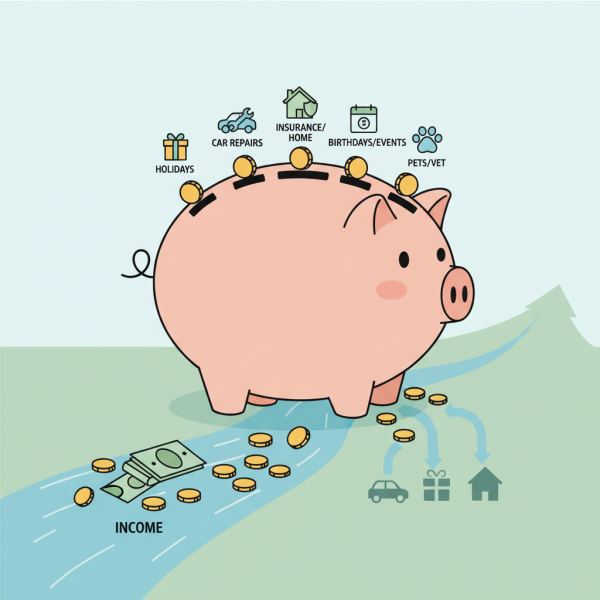
At its core, a sinking fund is a savings strategy where you regularly set aside small amounts of money over time to cover a specific future expense. Unlike an emergency fund, which is for unexpected financial crises, a sinking fund is for expenses you know are coming, even if you don't know the exact date or precise amount. Think of it as creating mini savings accounts for specific goals, preventing those larger, irregular bills from derailing your budget or forcing you into debt.
The concept is simple but incredibly powerful. Instead of being blindsided by a large expense, you proactively prepare for it. This methodical approach gives you control, reduces financial anxiety, and ensures you have the necessary funds when they are needed most.
Why Sinking Funds Are Essential for Financial Health
Sinking funds offer numerous benefits that contribute significantly to your overall financial well-being. They provide a structured way to manage money, moving you from reactive spending to proactive planning.
- Eliminate Debt: One of the biggest advantages is avoiding debt. When you save for expenses like holidays or car maintenance, you won't need to put them on a credit card, saving you interest payments and future financial strain.
- Reduce Stress: Knowing you have funds set aside for upcoming expenses brings immense peace of mind. No more scrambling or worrying about where the money will come from.
- Achieve Financial Goals: Sinking funds are a practical tool for achieving specific financial goals, big or small, by breaking them down into manageable, regular contributions.
- Improve Budgeting: They force you to think ahead and integrate these irregular expenses into your regular budget, making your financial plan more realistic and robust.
- Build Financial Confidence: Successfully saving for and covering large expenses without stress builds confidence in your ability to manage your money effectively.
How to Set Up Your Sinking Funds
Establishing sinking funds is a straightforward process that involves a few key steps. The goal is to make it as easy and automatic as possible.
1. Identify Your Predictable Expenses
Start by listing all the large, irregular expenses you anticipate in the next 12-18 months. This could include:
- Annual insurance premiums (car, home, life)
- Vehicle registration and maintenance
- Holiday travel or Christmas gifts
- Home repairs or upgrades (e.g., new appliance, roof maintenance)
- Birthdays and special events
- Vet bills for pets
- Subscription renewals (software, memberships)
- Property taxes (if not escrowed)
2. Estimate the Cost and Timeline
For each item on your list, estimate the total cost. If it's an annual expense, divide that cost by the number of months until it's due. For ongoing or indefinite expenses like car repairs, set a reasonable target amount you want to have on hand. For example, if your car insurance is $1,200 annually and due in 10 months, you need to save $120 per month ($1,200 / 10). If you want $500 for car repairs, you might aim to save $50 a month for 10 months.
Comprehension questions
 What is the primary difference between a sinking fund and an emergency fund?List three benefits of implementing sinking funds for financial health.What are the first two crucial steps in setting up your own sinking funds?Provide at least two examples of predictable expenses that sinking funds help cover.