
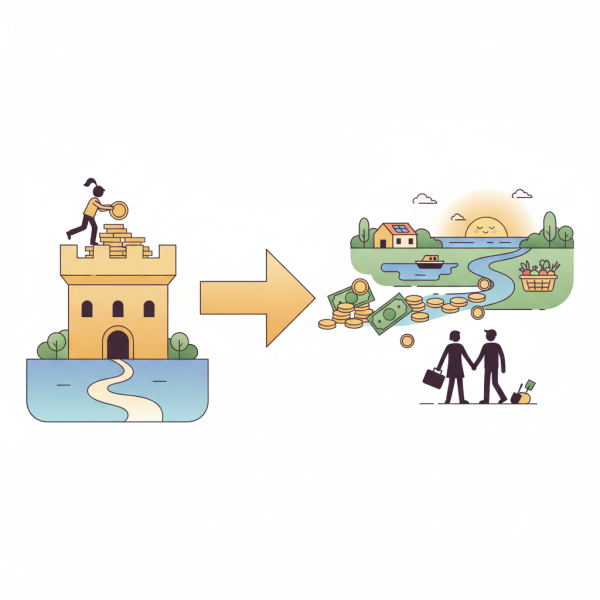
The Mental and Financial Transition to Retirement
What you'll learn
 Mindset Shift in RetirementUnderstanding Retirement IncomeCrafting a Spending PlanManaging Financial Risk in Retirement
Navigating Retirement from Saver to Spender
Retirement represents more than just an end to your working life; it signifies a profound mental and financial transition. For decades, many of us have been wired for accumulation, diligently saving, investing, and growing our wealth. The goal was always the future, the day when work would no longer be a necessity. However, when that day arrives, a new challenge emerges: the shift from a 'saving' mindset to a 'spending' mindset. This psychological and practical pivot can be daunting, but with careful planning and a clear understanding, you can navigate this phase confidently and enjoy the fruits of your labor.
The Mental Game: Shifting Your Mindset
One of the biggest hurdles in retirement isn't just about having enough money, but about feeling comfortable spending it. Years of frugal habits and the ingrained discipline of saving can make accessing your accumulated wealth feel counterintuitive. It's crucial to acknowledge this psychological barrier and actively work to reframe your perspective. Understand that your retirement savings were specifically built for this purpose: to fund your post-work life.
Think of your retirement savings not as a dwindling pile, but as a carefully managed resource designed to provide ongoing income. This shift in perspective can alleviate guilt or anxiety associated with spending. It’s about conscious distribution, not reckless depletion.
Understanding Your Retirement Income Streams
Before you can comfortably spend, you need a clear picture of your income. Retirement income often comes from a variety of sources, and understanding each one is fundamental to smart spending.
- Social Security: This is a foundational element for many retirees. Understand your benefit amount and when is the optimal time for you to start claiming it. Waiting can significantly increase your monthly payout.
- Pensions: If you're fortunate enough to have a pension, know your payout options (e.g., lump sum vs. annuity) and how they impact your overall financial plan.
- Investment Portfolios: This is where your diligent saving truly pays off. Your 401(k)s, IRAs, and other investment accounts will likely be a primary source of income. You'll need a strategy for withdrawing funds efficiently and sustainably.
- Other Assets: This could include rental property income, part-time work, or even reverse mortgages. Factor these into your total income calculation.
Crafting Your Retirement Spending Plan
A well-defined spending plan is the cornerstone of a successful financial retirement. This isn't about being overly restrictive, but about being intentional and ensuring your money lasts. Start by creating a detailed budget that reflects your new lifestyle.
- Distinguish Needs vs. Wants: Categorize your expenses. Needs typically include housing, utilities, food, healthcare, and transportation. Wants might include travel, dining out, hobbies, and gifts. While both are important, understanding the distinction helps with prioritization during leaner times.
- Healthcare Costs: This is often the largest unpredictable expense for retirees. Factor in Medicare premiums, deductibles, co-pays, and potential long-term care needs. Consider supplemental insurance like Medigap or Medicare Advantage plans.
- Inflation: Remember that the cost of living will increase over time. Your spending plan needs to account for inflation, ensuring your purchasing power doesn't erode too quickly.
- Withdrawal Strategy: Work with a financial advisor to determine a sustainable withdrawal rate from your investment accounts. The '4% rule' is a common starting point, but personalized advice is crucial. This strategy helps ensure your principal lasts through your retirement years.
Protecting Your Nest Egg: Managing Risk
While you're shifting to spending, protecting your remaining assets is paramount. Market volatility and unexpected life events can derail even the best plans. Diversification remains key, even in retirement, though your allocation might become more conservative.
Consider annuities for a guaranteed income stream, especially if you have concerns about outliving your savings. Review your insurance coverage for home, auto, and particularly health. Long-term care insurance can be a critical safeguard against catastrophic healthcare costs. Regularly review your estate plan to ensure your wishes are met and your beneficiaries are updated.
Embracing Flexibility and Continuous Learning
Retirement is not a static state; it's a dynamic period of life. Your spending needs, health status, and even market conditions will change. Be prepared to adapt your financial plan accordingly. Regular reviews with your financial advisor (at least annually) are essential to make adjustments as needed.
Stay informed about economic trends and changes in tax laws that could impact your retirement income. Financial education doesn't end when you stop working; in many ways, it becomes even more important. Embrace the journey with an open mind, ready to learn and adjust.
Summary
Transitioning to retirement successfully involves more than just having a large sum of money; it requires a deliberate shift from a saving to a spending mindset. By understanding your diverse income streams, meticulously crafting a sustainable spending plan, and actively managing financial risks, you can confidently enjoy your post-work years. Embracing flexibility and continuous learning ensures your financial plan remains robust against life's inevitable changes, allowing you to live comfortably and securely.
Comprehension questions
 What is the primary psychological barrier individuals face when transitioning from saving to spending in retirement?What are the main types of income streams retirees should understand and account for in their financial planning?Why is distinguishing between 'needs' and 'wants' important when crafting a retirement spending plan?What role does inflation play in retirement planning, and how should it be accounted for in a spending strategy?