
Unmasking the True Cost of Car Ownership
What you'll learn
 Hidden Car ExpensesVehicle Depreciation ImpactBudgeting for Auto CostsFinancial Car Decisions
Many people dream of the freedom and convenience that owning a car provides. The gleaming paint, the new car smell, the ability to go wherever, whenever. However, what often gets overlooked in the excitement of a purchase is the comprehensive financial commitment that extends far beyond the initial sticker price. Becoming financially savvy means understanding the full scope of your expenses, and car ownership is one area where hidden costs can significantly impact your budget. Let's delve into the true, long-term expenses of owning a vehicle, equipping you with the knowledge to make smarter financial decisions.
Beyond the Sticker Price: The Real Financial Journey
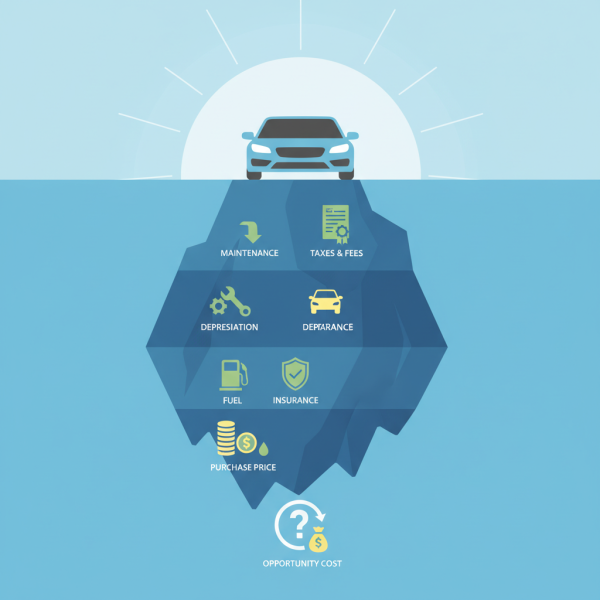
The purchase price of a car, whether new or used, is just the beginning. It's akin to the tip of an iceberg, with a much larger, unseen mass beneath the surface. True car ownership costs encompass a range of recurring and intermittent expenses that can quickly add up, often surprising those who haven't factored them into their long-term financial planning. Understanding these categories is the first step towards mastering your vehicle-related budget.
Fuel: The Constant Consumer
Unless you own an electric vehicle and charge it primarily for free, fuel is an unavoidable, ongoing expense. The cost of gasoline or diesel fluctuates based on global markets, local taxes, and even the time of year. Your driving habits play a huge role here; a daily commuter will spend significantly more than someone who only drives on weekends. Even with a fuel-efficient car, these costs accumulate rapidly over months and years.
Consider these fuel-saving strategies:
- Combine errands to reduce cold starts and short trips.
- Maintain proper tire pressure to improve fuel efficiency.
- Avoid aggressive driving like rapid acceleration and hard braking.
- Utilize fuel-saving apps to find the cheapest gas stations in your area.
Insurance: A Non-Negotiable Expense
Car insurance is not just a smart financial safeguard; in most places, it's a legal requirement. The cost of your premium depends on numerous factors, including your age, driving record, vehicle type, location, and the level of coverage you choose. Younger drivers, those with past accidents, or owners of high-performance vehicles typically face higher rates. It's an expense that recurs monthly or annually and can be a substantial drain on your finances if not managed wisely.
To minimize insurance costs:
- Shop around and get multiple quotes from different providers annually.
- Bundle your car insurance with home or renters insurance for discounts.
- Increase your deductible, but ensure you can afford it if you need to file a claim.
- Ask about discounts for good grades, low mileage, or safety features.
Maintenance and Repairs: Unpredictable Costs
Even the most reliable vehicles require regular maintenance to operate safely and efficiently. Oil changes, tire rotations, brake inspections, and fluid checks are routine tasks that prevent larger, more expensive problems down the line. Beyond scheduled maintenance, unexpected repairs can arise at any time – a flat tire, a dead battery, or a more serious engine issue. These costs can be highly unpredictable and often hit at the least convenient moments, highlighting the importance of an emergency fund specifically for car repairs.
Proactive maintenance is key to long-term savings. Sticking to the manufacturer's recommended service schedule can prolong your car's lifespan and prevent premature wear and tear on critical components. Neglecting maintenance can lead to breakdowns, which are not only inconvenient but significantly more costly than routine service.
Depreciation: The Silent Value Drain
Perhaps the most overlooked and significant cost of car ownership is depreciation. This refers to the decrease in your car's value over time. As soon as you drive a new car off the lot, its value drops. It continues to lose value with age, mileage, and general wear and tear. While you don't write a check for depreciation, it's a very real financial loss, especially if you plan to sell or trade in your vehicle in the future. The initial years of ownership often see the steepest depreciation.
For example, a new car might lose 20-30% of its value in the first year alone, and up to 50% or more within five years. This means that if you bought a car for $30,000, it could be worth only $15,000 in half a decade, representing a $15,000 "cost" that many overlook because it isn't an out-of-pocket expense in the traditional sense.
Registration, Taxes, and Fees
Each year, you'll likely pay registration fees to your state or local government. Depending on where you live, you might also be subject to annual property taxes on your vehicle. When you purchase a car, sales tax is a significant upfront cost. These governmental charges are mandatory and contribute to the overall burden of ownership, adding another layer of recurring expense that must be budgeted for.
The Opportunity Cost of Car Ownership
Beyond the direct monetary costs, there's an "opportunity cost." This refers to the value of the next best alternative that you gave up when making a choice. The money you spend on a car – its purchase, fuel, insurance, maintenance, and fees – could have been invested, saved, or used for other financial goals. For instance, the thousands spent annually could have contributed to a down payment on a house, a retirement fund, or a child's education. Considering this opportunity cost helps to put the true financial impact of car ownership into perspective.
Making Financially Savvy Car Decisions
- Research thoroughly: Look up reliability ratings, insurance costs for specific models, and average maintenance expenses.
- Consider used cars: Buying a reliable used car (often 2-3 years old) allows someone else to absorb the steepest depreciation curve.
- Budget realistically: Create a comprehensive budget that includes all potential car-related expenses, not just the monthly loan payment.
- Drive less: Utilize public transportation, carpooling, biking, or walking whenever feasible to reduce fuel and wear and tear.
- Build an emergency fund: Dedicate a portion of your savings specifically for unexpected car repairs.
Summary
The true cost of car ownership extends far beyond the initial purchase price, encompassing a complex web of ongoing and often underestimated expenses. From the relentless consumption of fuel and the mandatory burden of insurance premiums to the unpredictable nature of maintenance and repairs, and the silent drain of depreciation, owning a vehicle demands significant financial commitment. Annual registration, taxes, and the often-overlooked opportunity cost further highlight the importance of a holistic financial perspective. By understanding and proactively budgeting for these multifaceted expenses, individuals can make more financially savvy decisions, ultimately saving money and achieving their broader financial goals.
Comprehension questions
 What are the four main long-term expenses of car ownership discussed in the article?How does depreciation affect the true cost of car ownership, and why is it often overlooked?Name two strategies mentioned in the article for reducing fuel costs.What is opportunity cost in the context of car ownership, and why is it important to consider?