
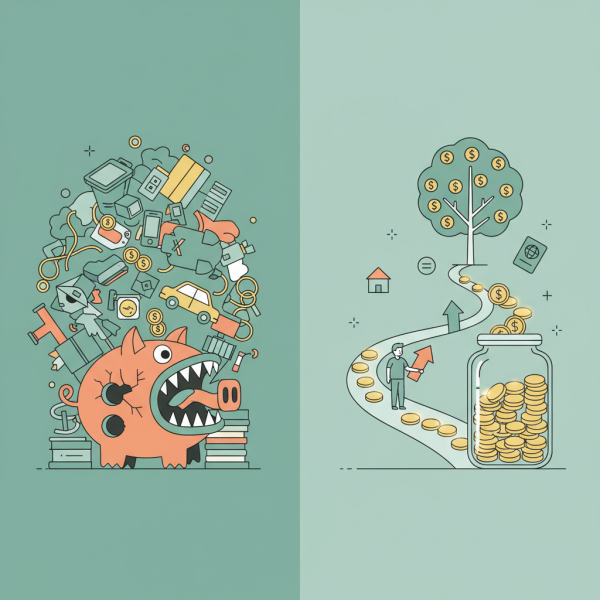
Decluttering Your Life to Amplify Your Wealth
What you'll learn
 The Cost of ClutterMindful Spending and ValuePractical Decluttering for FinancesLong-Term Financial Empowerment
In a world constantly pushing us to acquire more, the idea of owning less might seem counterintuitive, especially when thinking about our bank accounts. Yet, the principle of minimalism, often associated with decluttering and aesthetic simplicity, holds a profound secret to financial prosperity. It's not just about tidying your home; it's a powerful framework for reassessing your relationship with money, consumption, and ultimately, building a healthier financial future. This article explores how embracing a minimalist lifestyle can be the ultimate money makeover, transforming your spending habits and boosting your savings.
The Hidden Costs of Accumulation
Look around your home. Every item you own, from the clothes in your closet to the gadgets on your shelves, represents a financial transaction. Beyond the initial purchase price, many items come with hidden, ongoing costs. Think about maintenance, repairs, storage solutions, cleaning supplies, and even the electricity to power them. The more possessions you have, the greater this invisible drain on your finances.
Impulse purchases are a significant culprit in financial clutter. We often buy things we don't truly need, swayed by sales, marketing, or the desire for temporary satisfaction. These items pile up, unused and forgotten, representing wasted money that could have been saved or invested. Minimalism encourages a pause before purchase, asking critical questions about an item's necessity and long-term value.
Consider the cycle of upgrades. New models of phones, cars, or home appliances are constantly released, creating a societal pressure to replace perfectly functional items. This constant pursuit of the "latest and greatest" keeps your wallet perpetually open. A minimalist perspective challenges this cycle, advocating for longevity and utility over fleeting trends, saving you substantial amounts over time.
Shifting Your Mindset: From Consumption to Value
Minimalism isn't about deprivation; it's about intentionality. It's a conscious decision to focus your resources—time, energy, and money—on what truly adds value to your life. When you adopt this mindset, your spending habits naturally begin to change. Instead of mindlessly buying, you start to evaluate each potential purchase through a new lens.
This shift often leads to prioritizing experiences over possessions. Travel, learning new skills, spending quality time with loved ones, or investing in personal growth become more attractive uses of money than accumulating more stuff. Experiences create lasting memories and personal development, offering a far greater return on investment than a new gadget that quickly loses its novelty.
Furthermore, minimalism promotes buying fewer, higher-quality items that last longer. While the upfront cost might be slightly higher, the long-term savings from not having to replace cheap, poorly made goods frequently are significant. This approach reduces waste, both financial and environmental, aligning your spending with your values.
Practical Steps to Declutter Your Finances
The journey to a healthier bank account through minimalism often starts with physical decluttering. As you sort through your belongings, you'll inevitably uncover items you bought and never used, duplicates, or things you no longer need. This process provides valuable insights into past spending mistakes and helps you identify patterns to avoid in the future.
Once you've identified items you no longer want, consider selling them. Online marketplaces, consignment shops, or local yard sales can turn unwanted clutter into immediate cash. This not only frees up space but also provides a tangible boost to your savings or an opportunity to pay down debt.
Minimalism extends beyond physical items to encompass digital and subscription clutter. Evaluate your monthly subscriptions: streaming services, gym memberships you don't use, apps with recurring fees. Cancel what you don't genuinely utilize or value. Even small monthly fees add up significantly over a year, silently eroding your financial health.
Here are some actionable tips:
- Conduct a "no-spend" challenge for a week or a month to reset spending habits.
- Unsubscribe from promotional emails that tempt you to buy unnecessary items.
- Create a "one in, one out" rule for certain categories (e.g., clothes, books) to prevent accumulation.
- Before making any non-essential purchase, wait 24-48 hours. This delay often reveals whether it's a true need or just an impulse.
- Track your spending diligently to identify areas where your money is going unnecessarily.
Long-Term Financial Empowerment
The cumulative effect of these minimalist practices is profound. With fewer possessions to maintain, insure, or upgrade, your ongoing expenses decrease dramatically. This reduction in outflow creates more disposable income, which can then be directed towards truly meaningful financial goals.
One of the most significant benefits is the accelerated ability to pay down debt. Without the constant pull of new purchases, you can allocate more funds to credit card balances, loans, or mortgages. Reducing debt frees up future income and significantly lowers financial stress.
Increased savings become a natural outcome. Whether building an emergency fund, saving for a down payment, or planning for retirement, minimalism provides the financial breathing room to achieve these milestones faster. You'll find yourself reaching financial goals with greater ease and less strain, paving the way for true financial independence.
Moreover, the discipline cultivated through a minimalist lifestyle often translates into better investment habits. When you're not constantly chasing new possessions, you have more capital and mental clarity to make informed decisions about growing your wealth for the long term.
Beyond Money: A Holistic Approach to Well-being
While the financial benefits are substantial, minimalism offers a wealth of non-monetary rewards that indirectly support your financial health. A less cluttered environment often leads to a less cluttered mind. Reduced stress, improved focus, and more free time are common side effects of owning less.
When your mind is clearer and you have more time, you're better equipped to make sound financial decisions, stick to a budget, and pursue income-generating opportunities. The mental space freed from worrying about possessions can be redirected towards personal development, health, and building stronger relationships—all of which contribute to a richer, more fulfilling life that doesn't rely on material acquisition.
Summary
Embracing a minimalist approach is far more than just decluttering; it's a strategic pathway to robust financial health. By consciously reducing physical possessions, evaluating spending habits, and prioritizing value and experiences over consumption, individuals can significantly cut down on hidden costs, eliminate wasteful purchases, and dramatically increase their savings. This intentional lifestyle fosters financial discipline, accelerates debt repayment, and builds a foundation for long-term financial freedom, ultimately leading to a life rich in experiences and free from the burden of excessive material wants.
Comprehension questions
 How does accumulating physical items directly and indirectly affect one's financial health according to the article?What shift in mindset does minimalism encourage regarding spending, and what does it prioritize over possessions?List three practical steps mentioned in the article that individuals can take to declutter their finances.Beyond immediate savings, what are the long-term financial benefits of adopting a minimalist lifestyle?