
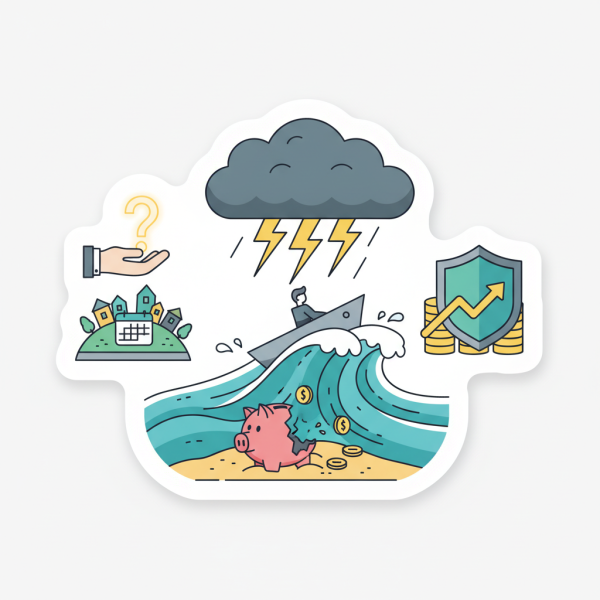
Managing Financial Emergencies When Savings Fall Short
What you'll learn
 Assessing Your Current SituationImmediate Actions to TakeExploring Funding Options (Beyond Savings)Building a Stronger Future
Life is full of unpredictable twists and turns. While we all strive to build a financial safety net, sometimes the unexpected happens – a sudden job loss, an unforeseen medical emergency, or a major home repair – and your meticulously saved funds just aren't enough. It's a daunting situation, one that can trigger panic and stress. However, facing a financial emergency without adequate savings doesn't have to be a catastrophic event. With the right mindset and a clear action plan, you can navigate these stormy waters, minimize the damage, and emerge stronger on the other side. This article will guide you through practical steps and strategies to manage a financial crisis when your savings fall short, helping you become more financially resilient.
The Reality of Financial Shocks
Financial emergencies are, by definition, events that demand immediate financial attention and are often beyond your control. They are not merely inconvenient expenses; they threaten your financial stability and can lead to long-term hardship if not managed effectively. Many people believe a robust emergency fund is the only solution, and while it's crucial, it's not always a complete shield. Sometimes the scale of the emergency overwhelms even a healthy savings account. Understanding that these situations can happen to anyone is the first step toward proactive and responsive management.
Ignoring the problem or succumbing to despair are not viable options. Instead, adopting a calm, analytical approach will enable you to make rational decisions under pressure. Remember, your immediate goal is to stabilize your financial situation and prevent further deterioration.
Assessing Your Current Situation
When an emergency strikes, the initial impulse might be to panic. Resist this urge. The very first step is to gain clarity on your exact financial standing. You need a realistic picture of your assets, liabilities, and immediate cash flow.
- Determine the exact amount needed: How much money is required to resolve the immediate crisis? Be as precise as possible.
- Review existing funds: Double-check all accessible accounts – checking, savings, any petty cash, or accessible investment accounts (though liquidating investments should be a last resort due to potential penalties or market losses).
- Identify recurring expenses: Make a list of all your monthly bills. Categorize them into essential (housing, utilities, food, transportation, necessary medication) and non-essential (subscriptions, entertainment, dining out).
- Assess your income sources: What is your current reliable income? Are there any immediate changes to it (e.g., job loss)?
This comprehensive assessment provides the foundation for all subsequent decisions. It helps you understand the gap you need to fill and where you might be able to cut back temporarily.
Immediate Actions to Take
Once you have a clear picture, it's time for decisive action. Prioritization is key during a financial emergency.
Communicate with Creditors: Do not wait for bills to become overdue. Contact your landlords, utility companies, and credit card providers immediately. Explain your situation and inquire about hardship programs, deferred payment options, or temporary payment reductions. Many companies are willing to work with you, especially if you reach out proactively.
Slash Non-Essential Spending: This is where your list of essential vs. non-essential expenses comes in handy. Drastically cut back on anything that isn't absolutely necessary. This might mean canceling streaming services, pausing gym memberships, cooking every meal at home, and avoiding all discretionary spending. Every dollar saved can be redirected towards the emergency.
Explore Temporary Income Boosters: Can you pick up extra shifts at work? Is there a side hustle you can quickly start (e.g., freelance work, delivery services, selling unused items)? Even a small, temporary increase in income can make a significant difference in bridging the gap.
Exploring Funding Options (Beyond Savings)
When savings are depleted, you need to consider alternative sources of funds. Approach these options cautiously, understanding the implications of each.
- Emergency Loans from Family/Friends: If possible, this can be a low-interest or no-interest option. Be sure to treat it professionally: discuss repayment terms, put it in writing, and adhere to your agreement to preserve relationships.
- Personal Loans: Banks and credit unions offer personal loans. Shop around for the best interest rates and terms. Be wary of high-interest lenders, especially payday loans, which can trap you in a cycle of debt.
- Credit Cards (with Caution): If you have available credit, a credit card might seem like an easy solution. Use it only for absolute necessities and only if you have a clear plan to pay it back quickly to avoid accumulating high-interest debt. Cash advances on credit cards are typically very expensive and should be avoided if possible.
- Retirement Accounts (Last Resort): Tapping into your 401(k) or IRA through a loan or early withdrawal should be considered only as an absolute last resort. Loans must be repaid with interest, and early withdrawals can incur significant penalties and taxes, severely impacting your future financial security. Understand all consequences before taking this step.
- Community Assistance Programs: Local charities, government agencies, and non-profits often provide aid for specific emergencies like rent assistance, utility bills, or food. Research what’s available in your area.
Damage Control and Recovery
Managing the immediate crisis is just the beginning. You also need a strategy for the aftermath.
Prioritize Debts: Once you've secured funds, decide which debts to pay first. Essential bills (rent/mortgage, utilities) and high-interest debts (like credit cards or payday loans) should generally be prioritized. Avoid missing payments, as this can negatively impact your credit score.
Create a Realistic Repayment Plan: If you've taken on new debt (personal loan, credit card balance, or family loan), you need a concrete plan to pay it back. Adjust your budget to allocate as much as possible to debt repayment, aiming to eliminate high-interest debt first.
Monitor Your Credit Score: During a financial emergency, your credit score can take a hit. Keep an eye on it regularly (many banks offer free credit monitoring). A good credit score is vital for future financial health.
Building a Stronger Future
Experiencing a financial emergency, especially without sufficient savings, is a powerful, albeit difficult, lesson. Use it as motivation to build stronger financial habits.
- Rebuild Your Emergency Fund: Make saving a non-negotiable part of your budget. Start small, even if it's just $25 a week. The goal is to build up 3-6 months' worth of essential living expenses.
- Diversify Your Income: Consider developing a side hustle or marketable skill that can provide additional income streams, offering a buffer against future job loss or unexpected expenses.
- Review Insurance Policies: Ensure you have adequate health, auto, home, and disability insurance. These policies are critical for protecting you from catastrophic financial losses in the future.
- Create a Detailed Budget (and Stick to It): A budget is your roadmap for financial control. Track your income and expenses rigorously to ensure you're living within your means and consistently saving.
Summary
Navigating a financial emergency when your savings aren't enough is challenging but achievable with a structured approach. It begins with a calm and thorough assessment of your financial situation, followed by immediate actions like communicating with creditors and cutting non-essential spending. Exploring funding options beyond savings, such as personal loans or community assistance, requires careful consideration of their long-term implications. Finally, the recovery phase involves prioritizing debts, establishing a clear repayment plan, and, most importantly, rebuilding your financial resilience through a robust emergency fund and improved budgeting habits, ensuring you are better prepared for future unforeseen events.
Comprehension questions
 What are the initial steps one should take to assess their financial situation during an emergency?Which non-savings funding options are discussed in the article, and what cautions are associated with them?What immediate actions does the article recommend for cutting spending and communicating with creditors?According to the article, what key strategies should be employed to build a stronger financial future after a crisis?