
Staying Motivated to Achieve Debt Freedom
What you'll learn
 Psychological Impact of DebtMotivation Strategies for Debt FreedomBuilding Financial ResilienceCultivating Lasting Money Habits
Embarking on a journey to become debt-free is one of the most empowering financial decisions you can make. It's a commitment that promises profound relief and opens doors to new possibilities. However, for many, this path isn't a sprint; it's a marathon, often stretching over several years. The initial enthusiasm can wane, replaced by feelings of overwhelm or discouragement. This is where the psychology of debt freedom becomes crucial. Understanding how to cultivate and maintain motivation, navigate challenges, and celebrate progress is just as important as the budgeting and payment strategies themselves. This article will delve into the mental game required to stay on track, offering actionable insights for anyone determined to shed their financial burdens and embrace a life of true financial freedom.
Understanding the Debt Monster
Before we can conquer debt, we must first understand its psychological grip. Debt often carries with it a heavy emotional weight, manifesting as stress, anxiety, shame, or even a sense of entrapment. Recognizing these feelings is the first step toward detaching from them and focusing on solutions. It’s not just about the numbers; it’s about the emotional burden that debt imposes on your daily life and future aspirations.
Many individuals fall into debt due to unforeseen circumstances, past financial missteps, or simply a lack of financial literacy. Regardless of the cause, it's essential to forgive yourself and focus on the present and future. Dwelling on past mistakes only saps energy that could be better spent on creating a debt-free future. Shift your mindset from regret to empowerment.
Setting the Stage for Success
A multi-year journey requires a solid foundation. This isn't just about crunching numbers, though that's vital. It's about setting up your environment and your mind for long-term success. A clear, well-defined plan acts as your roadmap, providing direction when the path feels unclear.
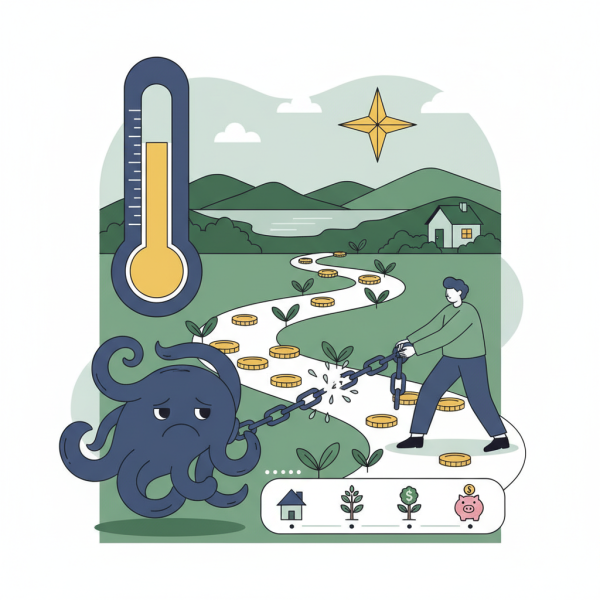
- Articulate Your "Why": Why do you want to be debt-free? Is it for peace of mind, to buy a home, start a business, or provide for your family? Your "why" is your most powerful motivator. Write it down, make it visible, and revisit it often. It serves as your personal North Star during challenging times.
- Create a Detailed Debt Repayment Plan: Whether it's the debt snowball or debt avalanche method, choose a strategy and stick to it. List all your debts, interest rates, and minimum payments. Seeing the full picture, no matter how daunting, is empowering.
- Establish a Realistic Budget: Your budget is your spending guide. It helps you allocate funds toward debt repayment while still covering essential living expenses. Be honest with yourself about your income and outflows. Identify areas where you can cut back without feeling deprived. Small, consistent savings add up over time.
- Automate Payments: Set up automatic payments for at least the minimums on all debts to avoid late fees. Even better, automate extra payments towards your target debt. This removes the temptation to spend that money elsewhere and ensures consistent progress.
The Power of Small Wins
One of the biggest challenges in a long journey is maintaining momentum. Large goals can feel overwhelming. This is where the strategy of focusing on "small wins" becomes incredibly effective. Each small victory reinforces positive behavior and releases dopamine, the feel-good neurotransmitter, making you want to continue.
Instead of only focusing on the massive overall debt, break it down. Celebrate paying off a single small credit card, or hitting a specific percentage of your total debt paid off. Acknowledge when you stick to your budget for a month, or when you successfully resist an impulse purchase that would have derailed your progress. These moments, though seemingly minor, are critical for psychological sustenance.
Consider creating a visual tracker: a thermometer, a chain of paper links, or a spreadsheet where you can color in progress. Seeing the visual representation of your shrinking debt can be immensely satisfying and motivating. It transforms an abstract number into tangible progress.
Navigating Setbacks and Staying Resilient
No debt-free journey is perfectly linear. There will be unexpected expenses, temptations, and moments of doubt. A car repair, a medical bill, or simply a bad day can throw a wrench into your carefully laid plans. The key is not to let these setbacks completely derail you.
Resilience means acknowledging the setback without letting it define your entire effort. If you overspend one month, don't throw in the towel. Analyze what happened, adjust your budget for the next month, and recommit. View these moments as learning opportunities, not failures. Remember your "why" and get back on track promptly.
Building a support system can also be invaluable. Share your goals with a trusted friend, family member, or partner who can offer encouragement and hold you accountable. Consider joining online communities focused on debt freedom; sharing experiences and tips with like-minded individuals can provide a much-needed boost and perspective.
Celebrating Milestones and Visualizing Freedom
Celebration is a powerful motivational tool often overlooked in financial planning. When you hit a significant milestone, acknowledge it! This doesn't mean splurging and undoing your hard work. Instead, plan small, inexpensive rewards that reinforce your positive behavior. Maybe it's a special meal cooked at home, a movie night, a new book, or a hike in a scenic park.
Visualizing your debt-free future is another powerful psychological strategy. Close your eyes and imagine what life will be like without those monthly payments looming over you. What will you do with the extra money? How will your stress levels decrease? How will your relationships improve? Regularly connecting with this future self provides immense motivation and helps you push through the tough times.
For instance, imagine the freedom of saving for a down payment on a house without the burden of credit card debt, or the peace of mind knowing you have a fully funded emergency fund. These visualizations make the abstract goal of debt freedom feel more real and attainable.
Building Lasting Financial Habits
The journey to debt freedom isn't just about paying off old debts; it's about transforming your relationship with money to prevent future debt. This means cultivating healthy, sustainable financial habits that will serve you well long after your last debt payment.
These habits include:
- Living Below Your Means: Continuously evaluating your spending and ensuring it aligns with your income and goals. This isn't about deprivation, but intentional spending.
- Building an Emergency Fund: A robust emergency fund is your shield against unexpected expenses, preventing you from falling back into debt. Aim for 3-6 months of living expenses.
- Regular Financial Reviews: Periodically review your budget, debt repayment progress, and overall financial health. Adjust as necessary.
- Continuous Learning: Stay informed about personal finance, investing, and money management. The more you know, the more confident and capable you become.
- Mindful Spending: Before making a purchase, pause and consider if it aligns with your values and financial goals. Distinguish between wants and needs.
Embracing these habits will not only help you achieve debt freedom but also ensure you stay free from debt, leading to a lifetime of financial security and reduced stress. It's about creating a positive cycle where good decisions build upon themselves.
Summary
Becoming debt-free is a challenging but immensely rewarding multi-year endeavor that requires a strong mental game alongside effective financial strategies. Key to staying motivated is understanding debt's psychological impact, setting clear goals with an articulated "why," and establishing a robust budget and repayment plan. Celebrating small victories provides crucial momentum, while resilience helps navigate inevitable setbacks. Regularly visualizing a debt-free future and building lasting financial habits like mindful spending and maintaining an emergency fund ensure long-term success and sustained financial well-being, transforming your relationship with money permanently.
Comprehension questions
 What is the primary psychological challenge individuals face when embarking on a multi-year debt-free journey?Besides financial planning, what key psychological strategies are recommended to maintain motivation throughout the debt repayment process?What are some lasting financial habits that help individuals not only achieve debt freedom but also prevent future debt?