
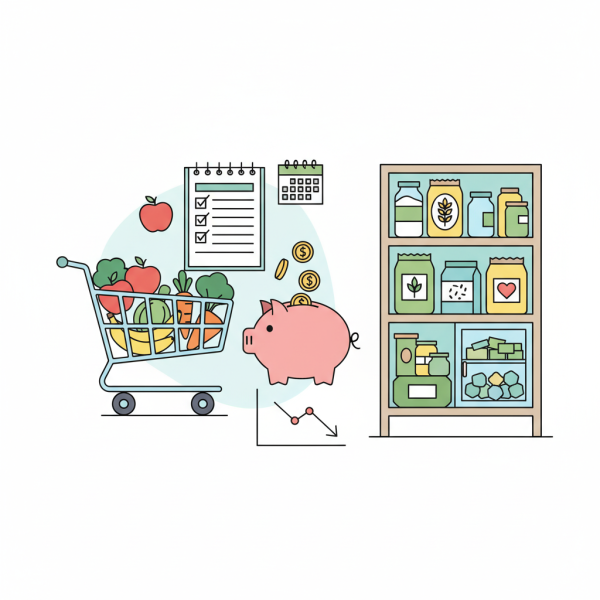
Mastering Your Grocery Budget for Smart Savings
What you'll learn
 The Power of Meal PlanningMastering Smart Bulk BuyingSavvy Shopping StrategiesKitchen Habits for Savings
Unlock Significant Savings on Your Grocery Bill
In an era where every penny counts, mastering your grocery budget is one of the most impactful ways to enhance your financial well-being. Many individuals feel trapped by rising food costs, but with strategic planning and smart execution, it's entirely possible to dramatically reduce your food expenses, even by half. This article will guide you through powerful techniques like meticulous meal planning and intelligent bulk buying, offering actionable advice to transform your approach to food shopping and consumption, leading to substantial savings.
The Undeniable Power of Meal Planning
Meal planning is the cornerstone of a successful grocery budget. It's not just about deciding what to eat; it's about making informed choices that prevent impulsive purchases, reduce food waste, and leverage ingredients efficiently. A well-executed meal plan ensures you only buy what you need, use what you buy, and avoid the costly trap of last-minute takeout.
Steps to Effective Meal Planning:
- Assess Your Current Habits: Before you start, understand what you typically eat, how often you dine out, and what foods often go to waste in your kitchen. This self-assessment provides a baseline for improvement.
- Check Your Pantry and Fridge: Always begin by inventorying what you already have. Build your meal plan around existing ingredients to prevent duplication and ensure older items are used before they expire.
- Plan for a Week (or More): Decide on meals for breakfast, lunch, and dinner for the upcoming week. Consider snacks too. Look for recipes that share common ingredients to maximize their use across multiple dishes.
- Factor in Leftovers: Strategic meal planning often involves cooking larger portions of dinner to serve as lunch the next day. This saves time and further reduces food preparation costs.
- Incorporate Sales and Seasonal Produce: Align your meal plan with current supermarket sales and seasonal availability of fruits and vegetables. These items are often cheaper and fresher.
The benefits extend beyond financial savings; meal planning also saves time during busy weekdays, reduces stress about what to cook, and can lead to healthier eating habits by encouraging home-cooked meals over processed alternatives.
Mastering the Art of Smart Bulk Buying
Bulk buying can be a phenomenal money-saver, but only when done correctly. The goal is to purchase staple items in larger quantities at a lower unit price, not to end up with expired food or an overflowing pantry of things you won't use. It requires careful consideration of storage, consumption rates, and the true cost per unit.
What to Bulk Buy (and What Not To):
- Good Candidates: Non-perishable pantry staples like dried pasta, rice, beans, oats, canned goods, cooking oils, flour, sugar, and spices are excellent for bulk buying. Frozen fruits and vegetables, certain meats (if you have freezer space), and cleaning supplies also fit the bill.
- Proceed with Caution: Perishable items like fresh produce, dairy, and bread should only be bulk purchased if you have a clear plan to consume or preserve them before they spoil. Buying too much of these can lead to waste, negating any savings.
Always calculate the unit price to ensure you are truly getting a deal. A larger package isn't always cheaper per ounce or per item. Compare prices across different retailers, including wholesale clubs, discount stores, and even online grocers, to find the best value.
Savvy Shopping Strategies: Beyond the List
Even with a perfect meal plan and an understanding of bulk buying, your actual shopping trip can make or break your budget. Implementing smart shopping habits is crucial for sticking to your financial goals.
Create an exhaustive shopping list based on your meal plan and pantry inventory. Stick to this list rigorously to avoid impulse buys. Shopping on a full stomach can also significantly reduce the temptation to pick up unnecessary treats or convenience foods. Take the time to compare unit prices, even for smaller items, as these small savings accumulate over time.
Leverage store loyalty programs and digital coupons, but only for items you genuinely need and would buy anyway. Don't be swayed by a deal on something you won't use. Learn the sales cycles of your favorite stores. Many items go on sale in predictable rotations, allowing you to stock up strategically when prices are at their lowest.
Kitchen Habits for Maximizing Savings
Your habits in the kitchen are just as important as your shopping habits. Reducing food waste is a powerful way to cut your food bill. Learn proper food storage techniques to extend the life of your groceries. Store fresh herbs in water, wrap cheese properly, and understand which fruits and vegetables last longer in the fridge versus on the counter.
Embrace cooking from scratch. While convenience foods seem like time-savers, they often come with a hefty price tag and may contain less nutritious ingredients. Batch cooking on a designated day can provide ready-to-eat meals for several days, minimizing the temptation for last-minute, expensive alternatives.
Finally, become adept at repurposing leftovers and ingredients. A roasted chicken one night can become chicken salad for lunch, and then chicken stock for soup. Creative use of ingredients ensures nothing goes to waste and extracts maximum value from every purchase.
Tracking Your Progress and Staying Motivated
To truly understand the impact of your strategic grocery budgeting, it's essential to track your spending. Use a budgeting app, a simple spreadsheet, or even a notebook to record your grocery expenses. This allows you to see where your money is going, identify areas for further improvement, and celebrate your progress.
Regularly review your meal plans and shopping strategies. What worked well? What could be improved? Adjust as needed. Financial savvy is an ongoing journey of learning and adaptation. Celebrate the small victories – the weeks you stayed under budget, the new recipes you mastered, or the amount of food waste you prevented. These reinforce positive habits and keep you motivated on your path to cutting your food bill in half and achieving greater financial freedom.
Summary
Embarking on a journey of strategic grocery budgeting through meticulous meal planning and intelligent bulk buying is a transformative step towards greater financial control. By carefully planning your meals, assessing your existing pantry, making smart bulk purchases of non-perishable staples, and adopting savvy shopping and kitchen habits, you can significantly reduce your food expenses. Tracking your progress and continuously refining your approach will ensure sustained savings and empower you to meet your financial goals, proving that cutting your food bill in half is an achievable and rewarding endeavor.
Comprehension questions
 What are the primary benefits of meticulous meal planning as described in the article?According to the article, what items are generally good candidates for bulk buying, and which ones require caution?Beyond creating a list, what savvy shopping strategies does the article recommend for sticking to a grocery budget?How do kitchen habits contribute to maximizing savings and reducing food waste?