
How to Understand and Grow Your Net Worth
What you'll learn
 Calculating Net WorthStrategies for Wealth GrowthManaging Assets and LiabilitiesFinancial Tracking Tools
Understanding your financial position is the first critical step toward building a secure and prosperous future. For many, this journey begins with a clear grasp of their net worth. Far more than just a number, your net worth is a dynamic financial snapshot that reveals your total financial value. It’s a powerful metric that can motivate, guide, and inform your money-saving and spending decisions over time. By learning how to accurately calculate and consistently track this crucial figure, you equip yourself with the knowledge to make strategic choices that will significantly impact your long-term financial health. This article will demystify net worth, walk you through its calculation, explain why tracking it is indispensable, and offer actionable strategies to help you grow your total financial value.
What is Net Worth?
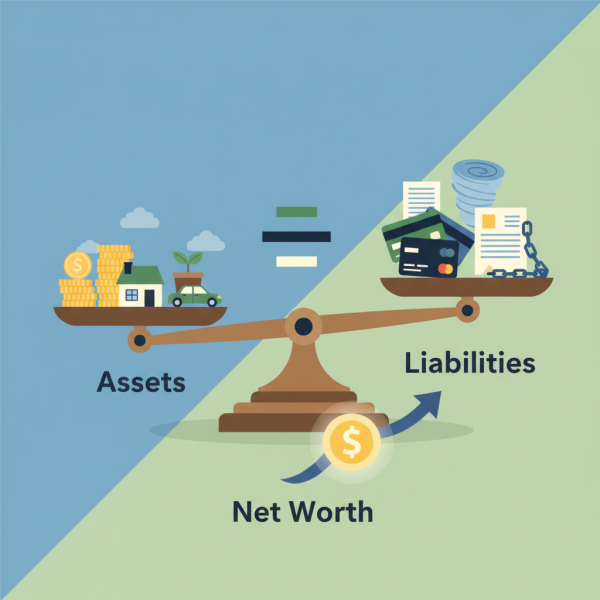
Simply put, your net worth is the total value of everything you own minus everything you owe. It’s a comprehensive measure of your financial health at any given moment. Think of it as a balance sheet for your personal finances. A positive net worth indicates that your assets exceed your liabilities, while a negative net worth means your liabilities are greater than your assets. The goal for most individuals is to steadily increase their net worth over time, moving from potentially negative or small positive numbers to increasingly substantial figures.
This single number offers a much clearer picture of your wealth than just looking at your bank account balance or your income alone. Income represents how much money you earn, but net worth reflects how much wealth you've accumulated and retained after accounting for your debts. It’s a more holistic indicator of your financial progress and stability.
How to Calculate Your Net Worth
Calculating your net worth is straightforward, relying on a simple formula: Assets - Liabilities = Net Worth.
Step 1: Tally Your Assets
Assets are everything you own that has monetary value. These can be liquid (easily converted to cash) or illiquid. Take the time to list and assign a current market value to all your assets. Be as accurate as possible to get a true picture.
- Cash and Cash Equivalents: Checking accounts, savings accounts, money market accounts, certificates of deposit (CDs).
- Investments: Stocks, bonds, mutual funds, exchange-traded funds (ETFs), individual retirement accounts (IRAs), 401(k)s, 403(b)s, other retirement savings plans, brokerage accounts.
- Real Estate: The current market value of your home, rental properties, or any other land you own.
- Vehicles: Cars, motorcycles, boats, or other significant vehicles.
- Personal Property: Valuables like jewelry, art, collectibles, or expensive electronics. While less liquid and often depreciating, significant items can be included, but generally focus on major assets.
- Business Ownership: Your equity in any businesses you own.
Step 2: List Your Liabilities
Liabilities are everything you owe – your debts. These are financial obligations that you are required to pay back. It’s crucial to be thorough when listing these to avoid understating your true debt burden.
- Credit Card Debt: Outstanding balances on all your credit cards.
- Loans: Personal loans, student loans, car loans, payday loans.
- Mortgage: The remaining balance on your home loan.
- Medical Debt: Any outstanding bills from healthcare services.
- Other Debts: Any other financial obligations or outstanding bills.
Step 3: Perform the Calculation
Once you have a grand total for your assets and a grand total for your liabilities, simply subtract your total liabilities from your total assets. The resulting number is your net worth.
For example, if your total assets are $150,000 and your total liabilities are $70,000, your net worth is $80,000.
Why Tracking Net Worth Matters
Tracking your net worth isn't just an academic exercise; it's a powerful tool for financial empowerment and growth. It offers several tangible benefits that can significantly improve your money management habits and long-term financial trajectory.
Firstly, it provides a clear benchmark. Without knowing where you stand, it's difficult to plan where you want to go. Your net worth acts as a starting point, allowing you to set realistic financial goals and measure your progress against them.
Secondly, it offers motivation. Seeing your net worth increase over time, even modestly, can be incredibly motivating. It provides tangible evidence that your financial discipline, saving habits, and investment decisions are paying off. This positive reinforcement encourages you to stay committed to your financial plan.
Thirdly, it helps you make informed decisions. By understanding the components of your net worth, you can identify areas for improvement. Are your liabilities growing too quickly? Are your assets diversified enough? This clarity allows you to adjust your budget, spending, and investment strategies proactively.
Finally, tracking your net worth highlights the bigger picture beyond monthly cash flow. You might earn a good income, but if your debts are escalating, your net worth might not be growing, or could even be declining. It shifts your focus from just income to actual wealth accumulation.
Strategies to Grow Your Net Worth
Growing your net worth is essentially about increasing your assets and decreasing your liabilities. It requires a combination of disciplined saving, smart investing, and careful debt management. Here are key strategies:
- Increase Your Savings Rate: The more you save, the more money you have available to invest and accumulate as assets. Make saving a priority, treating it like any other essential bill. Automate your savings by setting up regular transfers from your checking to your savings or investment accounts.
- Invest Wisely and Consistently: Once you have an emergency fund, put your savings to work. Investing in a diversified portfolio of stocks, bonds, or real estate allows your money to grow through compounding returns. Start early and invest regularly, even small amounts, to harness the power of time.
- Boost Your Income: Look for ways to earn more money. This could involve asking for a raise, taking on a side hustle, freelancing, or developing new skills that lead to higher-paying opportunities. More income provides greater capacity to save and invest.
- Aggressively Pay Down High-Interest Debt: Debts like credit card balances or personal loans with high interest rates can severely erode your net worth by eating into your income and preventing wealth accumulation. Prioritize paying these off quickly to free up cash flow and stop the bleed.
- Minimize New Debt: Practice mindful spending and create a budget that helps you live within your means. Avoiding unnecessary new debt is just as crucial as paying off existing debt.
- Monitor and Reduce Spending: Regularly review your expenses to identify areas where you can cut back without significantly impacting your quality of life. Even small, consistent reductions in spending can free up significant funds for saving and investing over time.
- Make Smart Real Estate Decisions: If you own property, consider if refinancing your mortgage could lower your payments or interest rate, freeing up cash. If you don't own, understand the costs and benefits before jumping in, as a mortgage is a significant liability.
Tools and Habits for Effective Tracking
Consistent tracking is vital. Fortunately, there are many tools and habits you can adopt to make this process easier and more effective:
- Spreadsheets: A simple spreadsheet (like Google Sheets or Excel) can be a powerful tool. Create columns for assets, liabilities, and dates. Update it monthly or quarterly.
- Budgeting and Financial Apps: Many apps (e.g., Mint, Personal Capital, YNAB) can link to your bank accounts, investment accounts, and credit cards to automatically track your assets and liabilities, providing real-time net worth updates.
- Set Regular Review Periods: Commit to reviewing your net worth at a consistent frequency, such as monthly, quarterly, or annually. This consistency helps you see trends and make timely adjustments.
- Automate Savings and Investments: Set up automatic transfers to your savings and investment accounts. This "pay yourself first" strategy ensures you're consistently growing your assets without having to manually initiate transfers.
- Educate Yourself Continuously: The world of finance is always evolving. Stay informed about investment strategies, market trends, and personal finance best practices. The more you learn, the better equipped you will be to make informed decisions that benefit your net worth.
Summary
Understanding, calculating, and actively growing your net worth is a fundamental practice for anyone serious about improving their financial well-being. By clearly defining your assets and liabilities, you gain an invaluable perspective on your total financial value. Regularly tracking this metric serves as a powerful motivator, guiding your financial decisions and allowing you to observe the tangible results of your efforts. Through diligent saving, smart investing, and strategic debt management, you can steadily increase your net worth, paving the way for greater financial security and the achievement of your long-term goals. Embrace net worth tracking as your personal financial compass, directing you towards a brighter financial future.
Comprehension questions
 What is the fundamental formula used to calculate net worth?Name three common types of assets that contribute to an individual's net worth.Why is regularly tracking your net worth considered a motivating factor for financial progress?What are two key strategies for both increasing assets and decreasing liabilities to grow net worth?