
Rebuilding Credit After Bankruptcy
What you'll learn
 Understanding Bankruptcy's Credit ImpactStrategies for Secured Credit BuildingImportance of Timely Payments and Low UtilizationMonitoring and Maintaining Financial Health
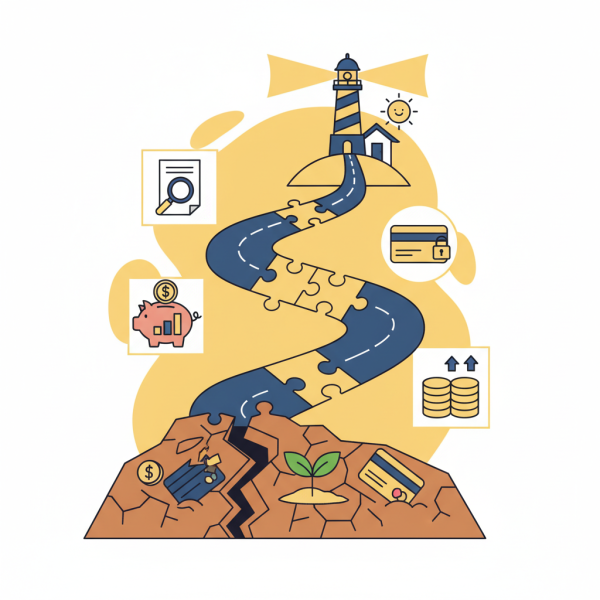
Experiencing bankruptcy can feel like a financial earthquake, leaving a landscape of uncertainty and a significantly damaged credit score. It's a challenging time, and many wonder if true financial recovery is even possible. The good news is that it absolutely is. While bankruptcy marks a difficult chapter, it's also an opportunity for a fresh start. This guide will provide a clear, step-by-step roadmap to help you navigate the process of rebuilding your credit and restoring your financial reputation, empowering you to make smart money decisions and secure a brighter financial future.
Understanding Bankruptcy's Impact on Your Credit
First, it's important to grasp the full extent of bankruptcy's impact. A bankruptcy filing can remain on your credit report for 7 to 10 years, depending on the type (Chapter 13 for 7 years, Chapter 7 for 10 years). During this period, your credit score will likely drop significantly, making it difficult to qualify for new loans, credit cards, or even rental agreements at favorable terms. Lenders will view you as a higher risk. However, the impact lessens over time, and proactive steps can demonstrate your renewed financial responsibility.
The goal isn't to erase the bankruptcy, as that's generally not possible until it naturally falls off your report. Instead, the focus is on creating new, positive entries on your credit report that gradually outweigh the negative impact of the bankruptcy. This process requires patience, discipline, and a clear strategy.
Immediate Steps After Bankruptcy Discharge
Once your bankruptcy has been discharged, it’s time to take immediate action to lay the groundwork for recovery. These initial steps are crucial for setting the right tone.
Review Your Credit Reports
This is perhaps the most critical first step. Obtain a copy of your credit report from all three major bureaus: Experian, Equifax, and TransUnion. You are entitled to a free report from each once every 12 months via AnnualCreditReport.com. Carefully review each report to ensure all debts included in the bankruptcy have been accurately reported as "discharged" or "included in bankruptcy" and that no old accounts mistakenly show an outstanding balance. Dispute any inaccuracies immediately, as these can hinder your progress.
Create a Realistic Budget
A solid budget is the cornerstone of any successful financial recovery. Bankruptcy often stems from uncontrolled spending or unforeseen circumstances, but a strict budget helps regain control. Track your income and all expenses to understand where your money is going. Identify areas where you can cut back and create a spending plan that ensures you live within your means, prioritize savings, and have funds available for your new credit-building efforts. This financial discipline is paramount.
Building a New Credit Foundation
With a clear understanding of your credit report and a solid budget in place, it’s time to strategically build new, positive credit. This often starts with products specifically designed for those with damaged credit.
Secured Credit Cards
This is often the go-to tool for credit rebuilding. A secured credit card requires a cash deposit, which typically becomes your credit limit. For example, a $300 deposit means a $300 credit limit. Because your deposit secures the card, the risk to the issuer is minimal, making them more willing to approve applicants with poor credit. Use the card responsibly: make small purchases you can pay off in full every month before the due date. This demonstrates consistent, positive payment history to the credit bureaus.
Credit-Builder Loans
A credit-builder loan works differently than a traditional loan. Instead of receiving a lump sum upfront, the money is placed in a locked savings account, and you make regular payments (plus interest) over a set period. Once the loan is fully paid, you receive the money. The lender reports your on-time payments to the credit bureaus, helping you establish a positive payment history. It's essentially a forced savings plan that also builds credit.
Become an Authorized User
If you have a trusted family member or friend with excellent credit, they might be willing to add you as an authorized user on one of their credit card accounts. This can be beneficial because their positive payment history on that account may appear on your credit report, boosting your score. However, this strategy requires immense trust. Ensure the primary cardholder is responsible and always pays on time, as their mistakes could also impact your report. Also, be aware that not all card issuers report authorized user activity to all bureaus.
Responsible Financial Management: Ongoing Practices
Establishing new credit is only half the battle. Maintaining responsible financial habits is key to sustained recovery and long-term financial health.
Pay Bills On Time, Every Time
This cannot be stressed enough. Payment history is the most significant factor in your credit score. Every single on-time payment, especially on your new secured credit card or credit-builder loan, sends a positive signal. Set up automatic payments or calendar reminders to ensure you never miss a due date. Consistency is vital.
Keep Credit Utilization Low
Credit utilization refers to the amount of credit you're using compared to your total available credit. For example, if you have a secured card with a $300 limit and you carry a $150 balance, your utilization is 50%. Experts recommend keeping this number below 30%, ideally even lower, like 10% or less, for the best impact on your score. Even if you pay your balance in full, try to keep your reported balance low by paying it down before the statement closing date.
Avoid New Debt
While you're rebuilding, resist the urge to take on new, unnecessary debt. Focus on using your secured card for small, manageable purchases that you can pay off quickly. Avoid personal loans, car loans (unless absolutely essential and affordable), or store credit cards that often come with high interest rates and minimal benefits for credit building. The goal is to prove you can manage existing credit responsibly, not accumulate more liabilities.
Monitor Your Credit Regularly
Continue to monitor your credit reports and scores regularly. Many credit card companies and banks now offer free credit score tracking services. Reviewing your reports frequently allows you to catch any errors or signs of identity theft promptly. Seeing your score gradually improve can also be a great motivator to stick with your plan.
The Waiting Game and Beyond
Rebuilding credit after bankruptcy is a marathon, not a sprint. It takes time, often several years, to see significant improvements. Be patient and consistent with your efforts. As your score begins to recover, you may eventually qualify for unsecured credit cards with low limits. When you do, continue to apply the same principles: pay on time, keep utilization low, and avoid accumulating unnecessary debt.
Eventually, the bankruptcy will fall off your report, but by then, you should have established a strong foundation of positive credit history. This period of rebuilding is not just about numbers; it's about developing healthier financial habits that will serve you well for the rest of your life.
Summary
Rebuilding credit after bankruptcy is a challenging yet achievable journey that demands discipline and a strategic approach. It begins with understanding bankruptcy's lasting impact on your credit report and taking immediate steps like reviewing reports for accuracy and establishing a realistic budget. Key to rebuilding is strategically utilizing financial products such as secured credit cards and credit-builder loans, which allow you to establish a new, positive payment history. Crucial ongoing practices include making all payments on time, maintaining low credit utilization, and diligently monitoring your credit reports. While patience is essential, consistently applying these principles will lead to restored financial health and a stronger credit profile, paving the way for future financial stability.
Comprehension questions
 What is the initial crucial step an individual should take immediately after a bankruptcy discharge to begin rebuilding credit?Name two specific financial products or strategies recommended in the article for establishing new credit after bankruptcy.Why is monitoring your credit report regularly essential during the credit rebuilding process?Besides timely payments, what other key habit is critical for improving your credit score post-bankruptcy?