
Subscription Detox: Reclaiming Your Finances
What you'll learn
 The Silent Drain: Understanding Zombie SubscriptionsThe Subscription Audit: Unearthing Hidden CostsThe Decision-Making Matrix: Keep, Cut, or Condense?The Cancellation Campaign: Taking Action
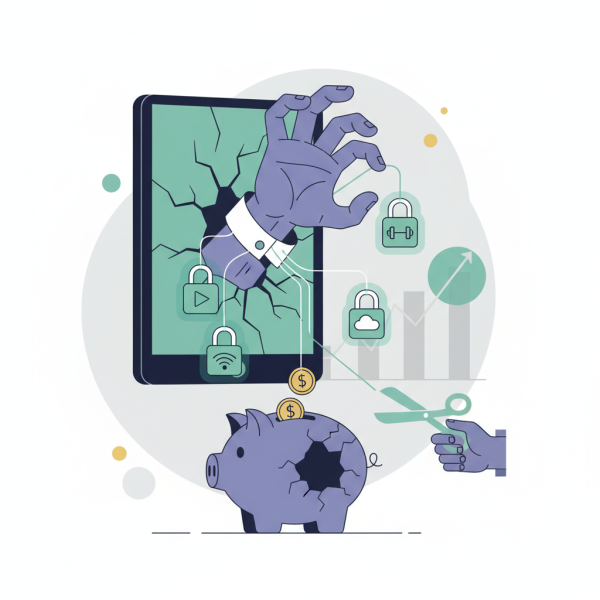
In an era dominated by convenience and digital access, subscriptions have become an integral part of our daily lives. From streaming services and fitness apps to software licenses and curated boxes, these recurring payments promise continuous value and ease. However, this seemingly innocuous convenience can often evolve into a significant financial drain, quietly eroding your savings month after month. Many of us harbor a collection of 'zombie' subscriptions – services we signed up for, perhaps used briefly, and then forgot about, yet they continue to deduct money from our accounts without providing any real benefit. Embarking on a 'subscription detox' is a powerful step towards achieving greater financial control and uncovering substantial savings that can be redirected towards your financial goals.
The Silent Drain: Understanding Zombie Subscriptions
Zombie subscriptions are those recurring charges that persist on your bank or credit card statements long after you've stopped using or deriving value from the service. They're often initiated through free trials that automatically convert to paid subscriptions, or through services you intended to cancel but never got around to. The danger of these subscriptions lies in their small, incremental nature; individually, they might seem insignificant, but collectively, they can add up to hundreds or even thousands of dollars annually, draining your financial resources without you even noticing.
These forgotten payments are particularly insidious because they leverage our inertia and the 'out of sight, out of mind' principle. Our digital lives are bustling, and it's easy for a monthly charge of $9.99 or $14.99 to get lost among other legitimate expenses. Over time, these 'small' leaks can create a significant hole in your budget, diverting funds that could otherwise be used for debt repayment, emergency savings, investments, or discretionary spending on things you truly value.
The Subscription Audit: Unearthing Hidden Costs
The first crucial step in any successful subscription detox is a thorough audit of your financial accounts. This process requires a bit of detective work but is immensely rewarding. The goal is to identify every single recurring charge that leaves your account each month or year.
- Gather Your Statements: Collect bank statements and credit card statements from the past 12 to 18 months. Go through each one meticulously. Many online banking platforms allow you to search for recurring transactions, which can significantly speed up this process.
- Look for Patterns: Pay close attention to consistent charges of similar amounts. Highlight anything that looks like a subscription service: streaming platforms, software as a service (SaaS), gym memberships, digital publications, cloud storage, delivery services, or even obscure app subscriptions.
- Create a Master List: As you identify each recurring charge, list it in a spreadsheet or a dedicated notebook. Include the service name, the monthly or annual cost, and the payment date. This comprehensive list will serve as your roadmap for the detox. Don't forget to check digital wallets like PayPal or Apple/Google Pay, as some subscriptions may be tied to these directly.
This exhaustive review might surprise you. Many individuals uncover two, three, or even more forgotten subscriptions during this initial audit, revealing a substantial amount of money they've been unwittingly spending.
The Decision-Making Matrix: Keep, Cut, or Condense?
Once you have your comprehensive list, it's time to evaluate each subscription critically. This is where you decide its fate: keep it, cut it, or find a way to condense it.
- Keep: These are the subscriptions you actively use, genuinely enjoy, and that provide clear value for their cost. Think of essential tools for work, a beloved streaming service you watch regularly, or a fitness app that keeps you motivated.
- Cut: This category includes all the zombie subscriptions – those you don't use, forgot about, or no longer need. It also includes services you use infrequently or that have cheaper, viable alternatives. Be honest with yourself about how much value you're truly getting.
- Condense: For some services, outright cancellation might not be the best option, but there's room for optimization. Can you downgrade to a cheaper plan? Are you paying for multiple streaming services when you only use one or two regularly? Can you rotate services, subscribing to one for a few months then switching to another? Could you share a family plan with others to reduce individual costs? Explore annual billing options, which often provide a significant discount compared to monthly payments if you're committed to the service.
Ask yourself these questions for each item on your list: Do I use this service at least once a week? Does it genuinely enhance my life or productivity? Is there a free alternative that meets my needs? Am I paying for features I don't use?
Comprehension questions
 What are 'zombie' subscriptions and why are they considered a silent financial drain?What is the first crucial step in conducting a successful subscription detox?What three categories should be used when evaluating each subscription after an audit?What is typically the most effective method for canceling a subscription?