
A Beginner's Guide to Rental Property Investing and Being a Landlord
What you'll learn
 Rental Property FundamentalsFinancing Real Estate InvestmentsEffective Property ManagementLegal & Financial Compliance for Landlords
Embarking on the journey of rental property investing can be a transformative step towards financial independence and wealth creation. For individuals seeking to expand their financial acumen and discover robust money-saving strategies, real estate offers a tangible asset with the potential for significant returns. Becoming a landlord is more than just owning property; it involves strategic planning, diligent management, and a deep understanding of market dynamics. This guide will walk you through the essential basics, helping you navigate the exciting world of managing real estate for profit, ensuring you are well-equipped to make informed decisions and build a successful portfolio.
Why Invest in Rental Properties?
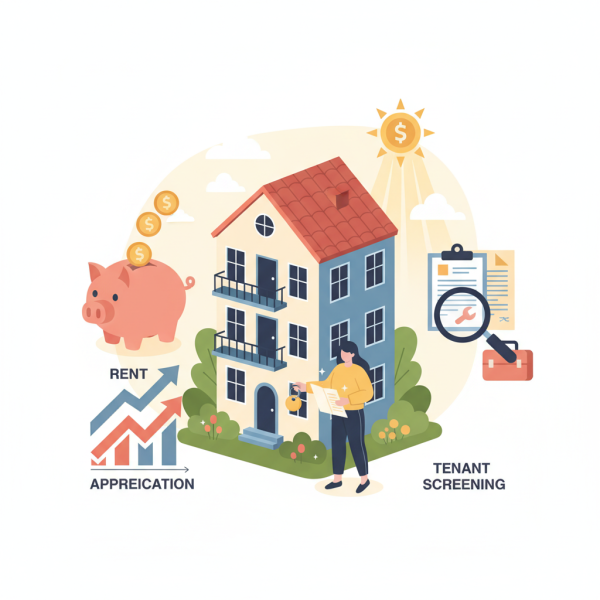
Investing in rental properties provides multiple avenues for financial growth. One of the primary benefits is consistent passive income from rent payments, which can cover mortgage costs and provide additional cash flow. Over time, real estate generally appreciates in value, offering a long-term capital gain when you decide to sell.
Beyond appreciation and cash flow, rental properties offer significant tax advantages. You can often deduct expenses like mortgage interest, property taxes, insurance, and maintenance costs. Depreciation, a non-cash expense, also reduces your taxable income, further boosting your investment's profitability. This combination of income, appreciation, and tax benefits makes rental property an attractive option for savvy investors.
Understanding the Commitment
Before diving in, it's crucial to understand that being a landlord is a significant commitment. It requires time, effort, and a willingness to handle responsibilities ranging from tenant relations to property upkeep. While the financial rewards can be substantial, it's not entirely "passive" income, especially in the initial stages. You'll need to be prepared for unexpected repairs, tenant issues, and market fluctuations.
Consider your personal bandwidth and resources. Are you prepared to answer late-night emergency calls, or will you hire a property manager? Understanding these demands upfront helps set realistic expectations and prevents burnout. Successful landlords often view their properties as small businesses requiring diligent oversight.
The Steps to Becoming a Landlord
Research and Market Analysis
The first crucial step is thorough research. Identify promising neighborhoods with strong rental demand, low vacancy rates, and potential for appreciation. Look into local economic indicators such as job growth, population trends, and planned developments. Understanding the local rental market will help you set competitive rent prices and attract reliable tenants.
Consider the types of properties in demand. Are single-family homes, duplexes, or multi-unit apartments more sought after in your target area? Analyze comparable rental properties to gauge potential income and expenses. This deep dive into market analysis is foundational to making a profitable investment.
Financing Your Investment
Securing financing is often the next hurdle. Most investors use a mortgage, similar to purchasing a primary residence, but loan terms for investment properties can differ. You'll typically need a larger down payment (often 20% or more) and a good credit score. Explore various financing options:
- Conventional mortgages for investment properties
- FHA loans (if you plan to live in one unit of a multi-unit property)
- Portfolio loans from local banks
- Private money or hard money lenders (often higher interest, shorter terms)
Always factor in closing costs, appraisal fees, and potential renovation expenses when calculating your total investment. A robust financial plan is key to a smooth acquisition.
Property Acquisition and Preparation
Once financed, the search for the right property begins. Work with a real estate agent experienced in investment properties. After acquisition, the property may require renovations or repairs to make it rent-ready. Prioritize essential repairs that ensure safety and functionality, then focus on cosmetic upgrades that enhance appeal without overspending. Remember, every dollar spent on renovations should ideally increase the property's rental value or desirability.
Ensure the property meets all local safety codes and regulations. A well-maintained and appealing property attracts better tenants and commands higher rent.
Managing Your Rental Property
Tenant Screening
One of the most critical aspects of successful property management is thorough tenant screening. A bad tenant can lead to financial losses, property damage, and significant stress. Implement a rigorous screening process:
- Credit Check: Assess financial responsibility and payment history.
- Background Check: Look for any criminal history.
- Employment Verification: Confirm stable income.
- Rental History: Contact previous landlords for references.
Be consistent with your screening criteria to avoid any accusations of discrimination. Fair and objective screening protects both you and your investment.
Lease Agreements
A comprehensive lease agreement is your legal safeguard. It should clearly outline all terms and conditions of the tenancy, including:
- Rent amount and due date
- Late payment penalties
- Lease duration
- Security deposit details
- Tenant and landlord responsibilities for maintenance
- Rules regarding pets, smoking, and guests
- Procedures for lease termination and eviction
Consult with a legal professional to ensure your lease complies with all local and state landlord-tenant laws. A well-drafted lease prevents misunderstandings and provides a framework for resolving disputes.
Maintenance and Repairs
Proactive maintenance saves money in the long run. Schedule regular inspections and address small issues before they become major problems. Respond promptly to tenant repair requests; timely repairs demonstrate good landlord practices and help retain good tenants. Establish a network of reliable contractors for various services like plumbing, electrical work, and HVAC. Being prepared for maintenance issues is a cornerstone of responsible property ownership.
Rent Collection
Establish a clear and consistent rent collection system. Offer multiple convenient payment methods, such as online portals, direct deposit, or mailed checks. Enforce late fees strictly but fairly, as outlined in your lease. If rent becomes consistently late, address the issue promptly and follow the legal procedures for notices and, if necessary, eviction. Consistent enforcement helps maintain financial stability for your investment.
Legal and Financial Considerations
Understanding landlord-tenant laws in your specific jurisdiction is paramount. These laws dictate everything from eviction processes to security deposit handling and property access. Ignorance of the law can lead to costly legal battles. Stay updated on any changes to local housing regulations.
Financially, keep meticulous records of all income and expenses. This simplifies tax preparation and provides a clear picture of your property's profitability. Consider opening a separate bank account for your rental property finances to keep personal and business funds distinct. Work with a qualified accountant experienced in real estate to maximize deductions and ensure compliance.
Maximizing Profit and Avoiding Pitfalls
To maximize profits, consider strategies like strategically increasing rent (within market limits), minimizing vacancy periods through effective marketing, and making cost-effective upgrades that add value. Regularly review your expenses to identify areas for savings.
Common pitfalls include inadequate tenant screening, neglecting property maintenance, failing to understand legal obligations, and underestimating costs. Building an emergency fund for each property is crucial to cover unexpected repairs or vacancies without dipping into personal savings.
Summary
Rental property investing offers a powerful path to financial growth and independence, combining passive income, property appreciation, and significant tax advantages. Success hinges on a clear understanding of the commitment involved, meticulous research and market analysis, and a robust approach to financing and property acquisition. Effective property management—from stringent tenant screening and legally sound lease agreements to proactive maintenance and consistent rent collection—is vital. By staying informed about legal and financial considerations and actively working to maximize profits while avoiding common pitfalls, aspiring landlords can build a thriving real estate portfolio and achieve their financial goals.
Comprehension questions
 What are the three main financial benefits of investing in rental properties besides consistent passive income?What four key aspects should a landlord thoroughly check during the tenant screening process?Why is a comprehensive lease agreement crucial for both the landlord and the tenant?What are some common pitfalls new landlords should be aware of, and how can they be avoided?