
A Savvy Investor's Guide to Socially Responsible Investing
What you'll learn
 Aligning Values with InvestmentsUnderstanding ESG CriteriaGetting Started with Ethical InvestingDebunking ESG Investment Myths
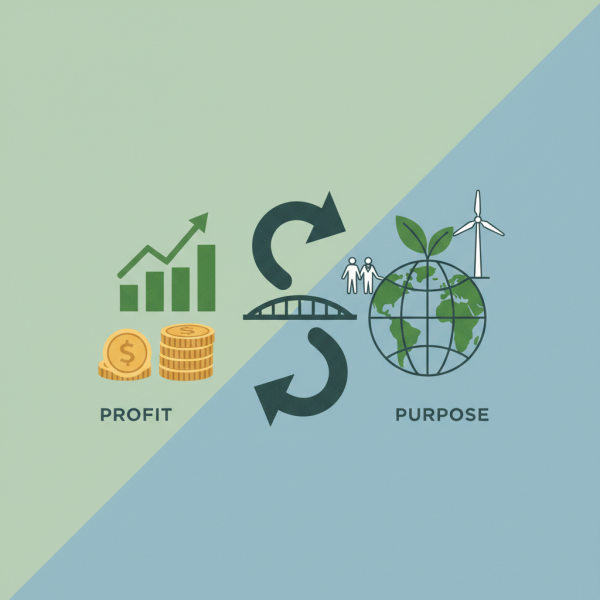
In today's dynamic financial landscape, the desire to grow personal wealth often intersects with a growing awareness of societal and environmental challenges. For savvy individuals looking to make their money work smarter and harder, Socially Responsible Investing (SRI), often referred to as Environmental, Social, and Governance (ESG) investing, offers a powerful avenue. This approach allows you to align your financial aspirations with your personal values, investing in companies that not only demonstrate strong financial health but also uphold high ethical standards and contribute positively to the world. It’s about building a portfolio that reflects your principles, proving that profit and purpose can indeed go hand-in-hand.
What is Socially Responsible Investing (ESG)?
Socially Responsible Investing is an investment strategy that considers both financial returns and social/environmental good. ESG factors are a set of criteria that investors use to screen potential investments. Instead of solely focusing on traditional financial metrics like revenue growth or profit margins, ESG investing adds an extra layer of analysis, evaluating how a company impacts the environment, how it treats its employees and communities, and how well it is governed.
This isn't just a niche trend; it's a rapidly expanding segment of the investment world. More and more investors, from large institutions to individual savers, are recognizing the long-term value and reduced risk associated with companies committed to sustainable and ethical practices. It’s a shift from simply avoiding "bad" industries to actively seeking out "good" companies.
Why Consider ESG Investing?
There are compelling reasons why ESG investing is becoming a cornerstone for financially savvy individuals:
- Values Alignment: For many, the primary driver is the desire to invest in companies whose practices align with their personal ethics and beliefs. It's empowering to know your money is supporting businesses striving for positive change.
- Potential for Competitive Returns: A common misconception is that ESG investing means sacrificing returns. However, numerous studies and real-world performance data suggest that companies with strong ESG practices can perform just as well, if not better, than their peers over the long term. These companies are often more innovative, efficient, and resilient.
- Risk Mitigation: Companies with strong ESG performance tend to be better managed, more transparent, and less prone to controversies, regulatory fines, or supply chain disruptions. This can translate to reduced investment risk. For example, a company with robust environmental policies might be better prepared for new carbon regulations, or one with fair labor practices might avoid costly strikes.
- Long-Term Sustainability: ESG factors are increasingly recognized as drivers of long-term business success. Companies that manage their environmental footprint, foster a diverse workforce, and maintain strong governance are often better positioned for future growth and adaptability in an evolving global economy.
This holistic view of company performance acknowledges that external factors have a significant impact on financial viability.
The ESG Criteria Explained
Understanding the three pillars of ESG is crucial for making informed investment decisions:
- Environmental (E): This category assesses a company's impact on the natural world. It includes factors such as:
- Carbon emissions and climate change mitigation efforts
- Energy efficiency and reliance on renewable energy sources
- Waste management and recycling programs
- Water usage and pollution prevention
- Deforestation and biodiversity protection
Companies that excel in this area are actively working to reduce their ecological footprint and contribute to a healthier planet.
- Social (S): The social aspect examines how a company manages its relationships with its employees, suppliers, customers, and the communities where it operates. Key considerations include:
- Labor practices, including fair wages, working conditions, and benefits
- Employee diversity, equity, and inclusion initiatives
- Human rights adherence across the supply chain
- Customer satisfaction and product safety
- Community engagement and philanthropic efforts
- Data privacy and security for customers
A strong social score indicates a company that values its human capital and operates responsibly within society.
- Governance (G): Governance refers to a company's leadership, executive pay, audits, internal controls, and shareholder rights. It's about how a company is run and the systems in place to ensure accountability and transparency. Factors include:
- Board diversity and independence
- Executive compensation practices
- Shareholder rights and transparency in financial reporting
- Ethical business conduct and anti-corruption policies
- Internal control structures and audit quality
Good governance is the bedrock of long-term stability and investor trust.
How to Get Started with ESG Investing
Embarking on your ESG investment journey doesn't have to be complicated. Here’s a practical guide:
Research and Due Diligence
Just as you would research any investment, thorough due diligence is essential for ESG. Look for ESG ratings provided by independent agencies like MSCI, Sustainalytics, or Refinitiv. These agencies evaluate companies based on hundreds of data points and provide comprehensive scores. Company annual reports and sustainability reports are also valuable resources, detailing their commitments and performance in ESG areas. Be wary of "greenwashing," where companies make unsubstantiated claims about their ethical practices.
Investment Vehicles
You have several options for integrating ESG into your portfolio:
- ESG Mutual Funds and Exchange-Traded Funds (ETFs): These are perhaps the easiest entry point. They pool money from many investors to buy a diversified portfolio of stocks and bonds that meet specific ESG criteria. This offers instant diversification and professional management. Look for funds explicitly labeled "ESG," "sustainable," or "socially responsible."
- Individual Stocks: If you prefer to pick individual stocks, you can research companies that have high ESG ratings and align with your specific values. This requires more in-depth research but offers greater control over your investments.
- Robo-Advisors: Many robo-advisors now offer ESG portfolio options. These automated platforms can build and manage a diversified portfolio for you based on your risk tolerance and ESG preferences, often at a lower cost than traditional advisors.
- ESG Bonds: Beyond stocks, you can also invest in "green bonds" or "social bonds" issued by governments or corporations to finance environmentally friendly or socially beneficial projects.
Start small, educate yourself, and gradually integrate ESG principles into your overall financial plan.
Measuring Impact and Performance
While financial returns are paramount, many ESG investors also care about the non-financial impact. Some funds and platforms provide impact reports that detail the positive contributions of the underlying companies, such as tons of carbon emissions avoided or number of lives improved. When evaluating performance, compare your ESG investments to relevant benchmarks. Many ESG indices now exist (e.g., MSCI ESG Leaders Index) that allow for a direct comparison with traditional market indices to assess financial competitiveness.
Common Misconceptions about ESG
Despite its growth, ESG investing still faces some skepticism. Let's address a few common myths:
- "ESG investing means lower returns." As mentioned, this has been largely debunked. Many studies show ESG funds performing comparably or even outperforming conventional funds, especially over the long term. Ethical practices often correlate with better management and resilience.
- "It's too complicated for individual investors." With the proliferation of ESG mutual funds, ETFs, and robo-advisors, integrating ESG into your portfolio is simpler than ever. You don't need to be an expert in environmental science or corporate governance.
- "It's just a fad or 'woke' investing." ESG factors are increasingly recognized as material risks and opportunities for businesses. Regulators, large institutional investors, and even rating agencies are incorporating ESG into their assessments, indicating it's a fundamental shift in investment philosophy, not just a passing trend.
Summary
Socially Responsible Investing offers a powerful and increasingly accessible path for individuals to grow their wealth while simultaneously fostering a more sustainable and equitable world. By integrating Environmental, Social, and Governance criteria into your investment decisions, you can create a portfolio that not only aims for strong financial returns but also aligns with your deeply held values. From understanding the core ESG pillars to choosing the right investment vehicles and debunking common myths, becoming an ethical investor is a savvy financial move that contributes to a better future for all. It's about making your money matter, both for your financial well-being and for the planet and its people.
Comprehension questions
 What are the three main pillars of ESG, and what type of factors are considered under each pillar?Name two reasons why a financially savvy individual might choose to consider ESG investing beyond just financial returns.Describe at least two different investment vehicles an individual can use to start investing in ESG.