
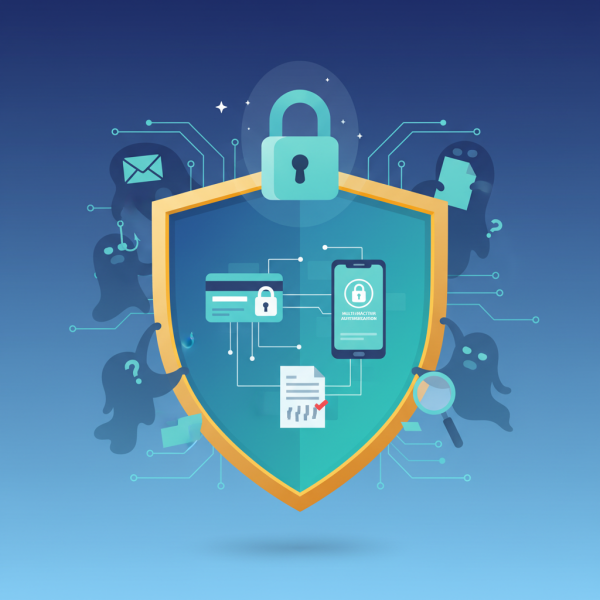
A Guide to Identity Theft Prevention
What you'll learn
 Digital Identity SecurityFinancial Data ProtectionMonitoring and AlertsIdentity Theft Recovery
In an increasingly interconnected world, where financial transactions and personal interactions often occur online, the threat of identity theft looms larger than ever. For individuals striving to be financially savvy and secure their future, understanding and implementing robust prevention strategies is not just advisable; it's essential. Identity theft can swiftly unravel years of careful financial planning, leading to significant monetary losses, damaged credit, and immense stress. This comprehensive guide will equip you with the practical steps and knowledge needed to erect a strong defense around your financial data and digital identity, helping you maintain control over your hard-earned assets and peace of mind.
Understanding Identity Theft and Its Impact
Identity theft occurs when a criminal steals your personal information, such as your name, Social Security number, credit card numbers, or bank account information, and uses it for their own financial gain. This can manifest in various forms, from opening new credit accounts in your name and filing fraudulent tax returns to making unauthorized purchases or even using your identity for medical services. The repercussions extend beyond immediate financial loss; it can take months, or even years, to restore your credit and reputation, demanding considerable time and effort.
Being financially savvy isn't just about making smart investments or saving money; it's also about protecting what you have. A significant part of that protection involves understanding the landscape of threats and proactively fortifying your defenses. Preventing identity theft is a cornerstone of sound financial management, ensuring that your financial journey remains on track and secure.
Protecting Your Digital Footprint
Your digital identity is a treasure trove for criminals. Safeguarding it requires vigilance and smart practices.
Strong, Unique Passwords: This is your first line of defense. Ditch simple, easy-to-guess passwords. Instead, use a combination of upper and lower-case letters, numbers, and symbols. Aim for at least 12-16 characters. Crucially, avoid reusing passwords across different accounts. If one account is compromised, all others using the same password become vulnerable. Consider using a reputable password manager to securely store and generate complex passwords.
Multi-Factor Authentication (MFA): Enable MFA whenever possible. This adds an extra layer of security, typically requiring a code sent to your phone or generated by an authenticator app, in addition to your password, to access an account. Even if a criminal has your password, they can't access your account without this second factor.
Beware of Phishing Scams: These insidious attacks attempt to trick you into revealing personal information through fraudulent emails, texts, or websites impersonating legitimate organizations. Always be skeptical of unsolicited communications asking for personal details. Verify the sender's identity and the legitimacy of links before clicking. Look for grammatical errors, suspicious sender addresses, and generic greetings.
Secure Wi-Fi Usage: Public Wi-Fi networks in coffee shops or airports are convenient but often unsecured, making your data vulnerable to interception. Avoid accessing sensitive accounts (banking, shopping) on public networks. If you must use public Wi-Fi, use a Virtual Private Network (VPN) to encrypt your internet traffic.
Review Privacy Settings: Regularly check and adjust privacy settings on social media and other online accounts. Limit the personal information you share publicly, as criminals can piece together details from various sources to build a profile of you.
Safeguarding Your Financial Information
Your financial accounts are prime targets. Here’s how to keep them secure.
Shred Sensitive Documents: Before discarding any document containing personal or financial information (bank statements, credit card offers, bills), shred it thoroughly. Dumpster diving remains a common tactic for identity thieves.
Monitor Your Bank and Credit Card Statements: Carefully review all your financial statements monthly, or even weekly, for any unauthorized transactions, no matter how small. Even minor charges could be a test by thieves to see if an account is active before making larger fraudulent purchases. Report any suspicious activity immediately to your bank or credit card company.
Comprehension questions
 What are some key practices for creating strong, unique passwords?How often should individuals check their credit reports to monitor for suspicious activity?Besides strong passwords, what is another crucial step to protect your digital identity on online accounts?What immediate actions should be taken if you suspect your identity has been stolen?